10 YBA Senior Leader

I need some sort of confessional here, not because I work in an RC school but because there will be colleagues who can tell the reader I might aspire to many of these aspects, but have failed to achieve them, and I will have let down colleagues, pupils and parents at times. However my posts were designed as an antidote to the secret teacher moans (often justified) about the job of a teacher. I am sure there are a lot more criticisms of SLT including me but here goes:

We need you, schools need you, children need you, parents need you. image10Succession planning is important and it might be you!

You might see members of SLT and think you can do the job better, then you should consider heading there; you might see members and think you can’t do the job but talk with them, learn it will make a difference to you. There are though, a few things to consider about what you might not be doing in the role, for example you might not be doing so much teaching, you might be doing tasks which are not really your favourite but significant in the life of a school, they need doing and most need doing well. Anyway here goes:


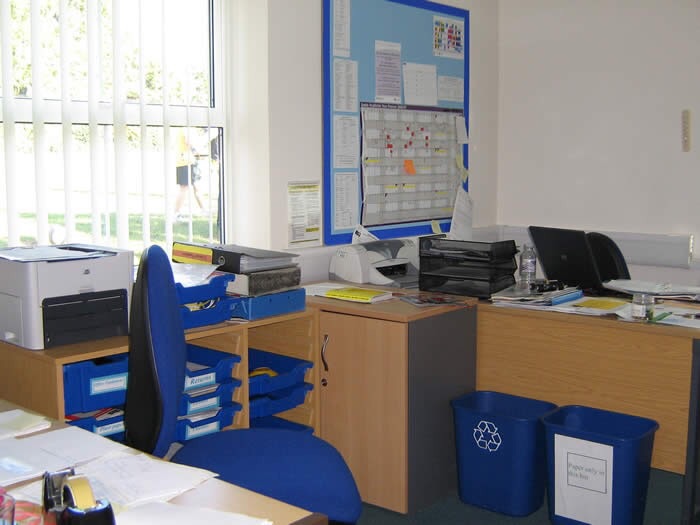
A new role, and title: you get more money, maybe status and pretty certainly an office, maybe even your own secretary or a PA (though we don’t in my school). You get a new title, but watch out you still earn your stripes by the job you do, the respect you earn, the aimageuthority others give to you. A badge with a title or an office sign are not matters you can refer a child or parent or colleague to. Almost certainly the day you haveimage to say “do you know who I am?” you’ll know it’s not working the way you are doing the SLT bit. BUT  there is a clue in the title “team” make sure you work with and seek support and challenge and plenty of good jokes from the team. I’ve been so fortunate to work with great SLT colleagues and can honestly say without them I’d have given up.


Day 639They say you must have a vision or at least be very clear on ethos, on short-term and long-term goals and articulate that ethos. In the 1980’s when I started, a teacher with vision would probably be put away but now we all need a vision. Have a moral compass, a vision, knowledge of “this is the way we do it” here. Then decisions, little and big must try to support that, we all make mistakes upholding it but if you say you won’t tolerate X and Y, then don’t, you don’t help teachers. If you say extra curricular is vital, put resources behind it. Then articulate your vision, the school’s vision and Heads vision, do it for parents meetings for pupils in assembly, on corridors, in classrooms.

Little things can make a big difference. You have some power over minor things which can make a difference: your staff not being exploited by a particularly awkward parent or pupil. You can say “I’ll deal with them”. Staff might be spending ages due to outdated tech, can you find a budget? They might need to rush home in a free – let them. I think its right you uphold the principle of the default position but you know staff who are busting everything, look after them, and as for the others who seem to take advantage – have a conversation at the very least. You move from middle into senior leadership, from possibly criticising SLT to being one of them. From moaning about decisions to actually making and defending and explaining those decisions. Oh and sometimes you might actually disagree with an SLT team decision but collective responsibility means you will do your bit to deliver.

Stay focused on the core job: teaching, learning and behaviour ( including child protection). The day you have spent hours sorting out the litter or the vitamin C content of the puddings in the canteen or signing documents, feels like the day you are losing the plot. You are a key operational person and all these little things do matter but you can’t do everything, you can delegate. SLT have to learn to treat pupils as pupils and treat teachers as teachers, I have often slipped up here, I hope that’s inevitable but I always try to learn to do this better. There are also personal stresses, work with the rest of the team to help you learn to manage workload too.

gd to g8Appointing staff. In the Jim Collins book ‘From Good to Great’ there are two significant early chapters. One is called getting the right people on the bus. This is your role with other SLT and the Head and middle leaders, to market the school, recruit, train and retain staff. But the other chapter is “Getting the wrong people off the bus” this is much more difficult in schools and a reminder that getting the right people on is critical. Inevitably there will be staff, teaching and non teaching who are not doing the job as you wish. It’s a sensitive but important task to tackle, it’s not the extreme of capability or sacking it’s also about the way SLT point out and offer help with weaknesses. Your staff bill will be the most expensive of budget at 75 to 80% so this is critical in your role. You will have to support and you will have to challenge and you will have to learn when to do which, especially with the pressures of workload. We probably all recall going in on a Monday feeling a bit under the weather thinking it was manageable as we had a free after lunch, get in and see your name on cover- agh. SLT need to try to look out for people, as our job is to get the best out of colleagues today and for the next n years. You have to monitor, but do it nicely, staff and pupils will understand its your job but it need not to be like Ofsted. So many SLT moan about Ofsted “marching in” then…….well they march in. Don’t, if you can manage it. Develop your terms, evolve sensible system.

Keeping up to date. SLT need to stay knowledgeable about developments in schools, in Education – teaching , learning, behaviour, child protection, assessment progression, changes for children coming in (ie in primary) and for those moving on ( FE, HE, apprenticeships, employment). Now here is a trick knowing what is going on but picking what makes a difference, what is legal or statutory and what can and should be ignored. You might (like me) often feel overwhelmed with the pace of change. BUT this is but nothing compared to the teacher n the classroom. Your job is to try to protect and help them. Never forget the days of full timetables, marking and mocks and reports and prep. Before you ask for another piece of paper another task, ask if it is necessary and if so why. Make sure when others ask you if we can get the staff to……that you challenge…is it really necessary? It’s your job to try to protect from demands. Early on in my career a parent got hold of my home phone number and called me one evening, nothing major just a “chat” I felt a bit uncomfortable, mentioned to the deputy, he rang the parent said his call was quite out-of-order. I got an apologetic letter but as important I knew this deputy was wise and on my side. Where you have to embrace change, do it with enthusiasm, work out what are the disadvantages (often all too easy) and the advantages – trial the ideas with trusted colleagues and then with those who might oppose, chat one to one with them – then present.

SLT the problem solver. Have High expectations of teachers and pupils get to know teachers well encourage teachers hear them out, help them out. And hey the same with pupils. There are great things you can do. encourage those good ideas, resource them, release those people and see their ideas blossom though watch they make a difference and don’t impact workload, including your workload. Often schools breed people with great ideas……for someone else. FullSizeRenderThere is a challenge to maintain focus and effort on student learning. Make sure it’s not too interrupted with trips, visits or assemblies. Part of your job is to encourage stuff, stuff like trips and visits and speakers and the sort of stuff which goes down well with pupils and teachers. EXCEPT it also impacts on work. those four year 10 missing an English lesson mean someone else has extra to do. Work out how to balance and explain decisions and create a fair and effective system if possible

Be a role model. Staff and students and parents will look up to you, That’s great but you need to fulfil the role. Watch the football, go to the play, help the PTA. Little things show your true colours, so make sure the little things are set right. untitledand if you are fed up by all means share that with SLT but probably not with those at that sharp end. Never ever forget the real job happens in your classrooms by dedicated staff working their socks off. They don’t really want to know about your boring meeting with the LA. They need people of honesty integrity

communicateCommunication – probably couldn’t write a post about SLT without saying communication is vital. Many a time I have decided an action which seems obvious and yet in forgetting to communicate that effectively I get a load of complaints-sorry forgot to add it to the calendar, check that bit of sims was set up properly, overlooked that event. Hold your hands up and say you went wrong but if there is one rule of SLT it is communication, communication, communication.

Discipline – do your bit, do more than your bit, maintain high behaviour standards, think well ahead on exclusions, what will you be saying to a) the child b) the parent/carer/supporter and c) colleagues. Different audience different responses but get the right outcomes for all. Manage an orderly place.

Inspire, maybe be a maverick, whatever you do, inspire them to do better (pupils, teachers, SLT, even the head) inspire with stories carefully articulated, and presented.

Protect the vulnerable – a teacher or a pupil, maybe a parent. Chat with others understand the person at the centre. They may have been let down, your job is to rescue for the best. as the saying goes ‘some people lead complicated lives be kind’. This is not a ” at any costs ” matter , its more about seeing a way through a crisis. Sometimes others might never get to know there was a crisis, they might even be highly critical of you but you know, deep down it was right. I recall a very difficult situation with a very ill teacher who a) didn’t want anyone to know and b) wanted to teach classes to the end. We changed the timetable around and some staff were very fed up, we couldn’t say why, so just put up with the moans, eventually it became obvious, sadly. Sometimes we need to develop a thicker skin but in the end they will probably understand (actually a few won’t!)

imageMentoring, coaching and training. Believe it or not you are wise, well at least knowledgeable and so people turn to you. You cannot micromanage but you can help. Know your school inside out – pair up the right people, staff and pupils, staff and staff; Support staff also. This leads back to the d word delegate.

IMG_1891Thank you – say it and do it, give appreciation, look our for the child who turned out for the practice but didn’t get the role. The quiet teacher who never moans, does the job sensibly, who you really appreciate -tell them. Th governor who is always there at a do, thank them look out for them value their opinions. Compliment, show gratitude and put money where you can. Don’t praise the PE dept for all that work then refuse them a trampoline. Recognise – believe me a word from SLT, a card, a note can make a difference, you wanted power that’s’ where it is. Pupils who help show someone around for you, write home, pass over a book token, make a quiet fuss.

Whatever you say or do, always try to be ambitious and aspirational. I recall going to a LA meeting over employment. I saw our Head ask a local employer if he would take some pupils for work exp. ” Have you met any of our pupils?” The head asked. “They are great, well-behaved, well-mannered, 100% reliable, diligent etc” I asked in the pub later, had he someone in mind? No he said but if we tell employers and then we tell year 10 we can make it happen….the rest is history.

IMG_7086

Reflections

You will get to work closely with a Head. I think you learn most in the role from working with a good headteacher you learn from what they do well and what they inevitably do wrong. It’s an important partnership however you look at it. Listen to everyone, pupils (school council, on the corridor, after the play, during a cover, parents ….teachers). Act on the things you hear pass on the good news, think carefully about the bad, talk over with others, then decide the actions. If they are important decisions and discussions give them enough time. Influence is probably a key element of leadership so establish ways to influence, to manage and to lead, and try to evolve systems and policies to benefit the school. BUT not bound up in an office. You will have to try and do both, the paperwork and the peoplework, guess which takes priority? You can’t? then forget SLT. Listen and reflect, you know those things we ask staff and pupils to do.

Relationships – you knew that would appear it does. One recent tweet I saw said “Congratulations on getting a deputy job, just remember its 75% about relationships and the other 25% well…..that’s about relationships” Quality contact and interactions. perhaps the most critical are those with other SLT, make sure they are embedded in humour, in generosity and appreciation – the job can be tough but it doesnt have to be tough 100% of the time, ensure creativity and teamwork support those meetings.IMG_1698

Adapt– you will have to do jobs you don’t like, speak to colleagues about stuff you would rather forget. Maybe teach one lesson a week of X, when your subject is Y. You might need to adapt and learn – hey that’s what good teachers always do.


There are some great rewards being a member of SLT, there are frustrations too. In much the same way as my other blogposts such as being a teacher or head of year, and I come back to them first point, your school might need you; and a school definitely will do…..and the next step…………..aha
The old NCSL videos are available on youtube and are very good.

There are lots of sites and blogs on leadership if you recommend any I’ll happily add them here.
image

“Where there is no vision, the people perish”


Thursday Period 2 – Second Chance? Third Chance? Any Chance? No Chance.

monopoloyMy wife told me I needed to listen to woman’s hour radio 4. (@BBCWomansHour) I am a big radio 4 fan ( @on_radio4) only top and tailed in the weekdays but in those holiday moments I do admit to catching more. However this was a command “you need to listen to” . So I did. The story was about Leeds University alumni annual lecture to be given by V. Craig Jordan  You might not have heard of him, he discovered tamoxifen the drug used to help in treatment of breast cancer, now nicknamed the Father of Tamoxifen. According to wikipedia in 2004 it was the world’s largest selling hormonal treatment for Breast cancer and in 2001 prior to  coming out of patent it made $1024m profit. there must be literally millions of people alive today thanks to Tamoxifen.tamoxi

He is a chemist so I was naturally hooked but moreso he is a truly great chemist, and it all started back at home when his Mum allowed him to have a chemi lab in his bedroom in Cheshire. Wow. He admitted to setting fire to curtains and throwing the odd reaction out the window, but he had a kindly curiosity and steely determination to find a cure for cancer. Back in the late 60’s when cancer wasn’t so well understood this was a great mission and huge credit to him for the discovery. A drug which is on the WHO list of essential medicines. I hoped to find the lecture and kindly @DrNMistry kindly tweeted me the link to a truly great lecture from a wonderful man telling an inspiring story.

So what interested this Chemistry teacher beyond the chemistry was that he didn’t do so well at school. Despite his obvious talent and ability, back at school he only passed 3 O Levels not enough to get into the sixth form. After a visit to ICI with the possibility of becoming a lab tech, a clearly determined Mother and a sensible Head seemed to agree to give Craig a second chance -the rest as they say is history, and not lost on me is the fact his discovery has given many a person a second chance.

bennettAnother Chance …Please?

So there is the challenge for schools, when do we give a second chance, or a third? Here the end of the story so so justifies the decision to give a second opportunity and I can think of students I have given a second chance to who got through – though I must quickly add that they haven’t yet discovered a new drug treatment to my knowledge, though at least one I recall became a medic. There are other students who my colleagues could quote back to you (and they do regularly to me) who we gave a second chance but sadly there was no change of attitude. I am sure there are also those we denied a second chance and that some way or other they made it. There was a moment in the Jordan interview when he said ” There isn’t anything wrong with a setback early on” I think most teachers are optimistic, give a child a second chance esp before the end of compulsory school. Second chances when…homework not done, work not up to scratch, an out of characteristic reaction but there must be a change of attitude, forgiveness yes but change please. Then comes that rather horrible moment equalling “Sorry no more chances”. For most of us that comes when other students are still being disrupted from their learning by the second chancer or when teachers spend a disproportionate time trying to get someone to conform. A challenge though is to look at our systems, to intervene, support, help bring change and make ethos and expectation clear. As I have said elsewhere this isn’t simple but it is desirable and I think it’s what a good school should be able to do. Pupils and students do sometimes need a second chance, they are growing up and learning, they need to learn to give second chances and well to forgive too.

yellow card

Second Chance more common post 16?

Post 16 may be a different matter, not on the No No but on the second chances as students find AS Level a different situ to what they anticipated or a subject is not how they imagined or maybe they hit a difficult time in their own developments. Recent funding changes might make second chances very difficult. Recent examination changes also make second chances difficult – the summer of 2014 also saw a greater media highlight of those who did badly and them being told they could not continue. In future the potential loss of AS and the use of internal data might make these decisions more difficult so where do we draw a line? I don’t want to be responsible for wasting teacher time with students destined never to make it, neither with the students time nor with taxpayer money BUT I wouldn’t like to say ‘No’ to a future star, or even a future plodder. At heart it’s about knowing your pupils well, and trusting teachers. I daresay some decisions on giving a second chance will reflect a teachers own story or a school history …I was given a second chance so….

We could rehearse the arguments over league tables, pressure on schools to do well ( and with PRP for teachers too, second chancers might become rarer). Perhaps we can have a performance table for those we gave a second chance too?

monopoly2Are you listening? No really listening?

Perhaps the radio4 story needs to be heard by our students not by our teachers. A message so often given out to pupils: take opportunities; work hard; need to be genuinely heard not just listened to. On the other hand perhaps we get too neurotic about it all, pupils will rise up to the surface, maybe leave a school and get a great deal at a College, or bounce back when they mature or face their destiny. I am sure some would argue the second chance prevents facing up to errors, though personally I doubt that. So for those who do turn over the proverbial new leaf, their story ends well BUT for some the pressure of being a failure and “not allowed’ might just send them in a different direction, not just in studying but maybe in wasting a talent that schools just couldn’t quite untap if second chances get rarer. In some ways te matter is about forgiveness and a second chance, but can we go on forgiving blindly, and seeing other lives affected? Can we make restorative justice work in schools? I think we can, and much of our nature wants to give a second chance but just sometimes we have all had enough!

I have one sticky questions I feel my post should face
red cardpngWhat about permanent exclusion? We might all allow a second a third chance etc but there are some incidents a school community probably cannot forgive, possibly cannot allow to blight the rest of their work. They cannot be seen to tolerate or to condone certain extreme behaviour or persistent bad behaviour. We need perm ex, we need to use it rarely, we probably need an appeal system, but we also need a system that can pick up and offer a second chance, but it can’t be back in the home camp where such an offence takes the student beyond restoration with their present community.

You can listen to the original programme via itunes or from the BBC

Some Questions to think about?

Q1 Do we give pupils too many chances?

Q2 Is there ever a limit to how often we should help young people start again?

Q3 Can the proverbial “Leopard” ever  change its spots?

Q4 Are some more deserving than others?

Q5 Is permanent exclusion ever justifiable?

Some references to contemplate for those of you in church schools or interested.

Matthew 18: 22,23   Then Peter came to Jesus and asked, “Lord, how many times shall I forgive my brother or sister who sins against me? Up to seven times?” Jesus answered, “I tell you, not seven times, but seventy-seven times

Luke 15:7    I tell you that in the same way there will be more rejoicing in heaven over one sinner who repents than over ninety-nine righteous persons who do not need to repent.I tell you that in the same way there will be more rejoicing in heaven over one sinner who repents than over ninety-nine righteous persons who do not need to repent.

John 8:11   Jesus straightened up and asked her, “Woman, where are they? Has no one condemned you?” “No one, sir,” she said. “Then neither do I condemn you,” Jesus declared. “Go now and leave your life of sin.”

Leviticus 26:18    If after all this you will not listen to me, I will punish you for your sins seven times over.


You might like to read other posts from my timetable of teaching – each is set out from lesson in the school week, before or after school or at the weekends, appropriate to the time of day. I have also started a  class lists or “set lists” which was to answer the questions: “why be a teacher?”or “why have other responsibilities in a school?” Shortly I am starting a new area about progress from one role or experience in teaching to another with hints and tips about successfully moving on in the job and your teaching career.

9YBA Head of Year

imageimageIn many schools pastoral work has taken a new twist as tutor groups are arranged vertically with a few pupils from each year. I cant really comment on that , others might by clicking reply. My experience is in schools with horizontal pastoral work, tutors caring for a tutor group of 25+ pupils and a Head of year possibly an assistant head of year working with them. So this short post is to give a few reasons you might consider this middle leader role:

imagePastoral experience is useful if not essential for senior leadership posts and hey a Head of Year role brings a TLR, more money and a title. Unlike a Head of department you will almost certainly get an office, in my school that is usually a converted wardrobe/cupboard with enough room for a computer, a desk, a filing cabinet, a box of tissues, a notepad, a phone and second chair. In some ways that sums up the role of HoY

If middle leaders subject staff are the engine room of a school this role is the engine oil keeping the school running smoothly. You will be expected to help monitor and to intervene in behaviour issues, attendance issues and a broader view of pupils achievement. These aspects lead you into a new understanding of the background of your pupils and definitely a greater understanding of subjects and staff. our Heads of year are actually called Progress Co-ordinators which I think is a bit clumsy but sums up the expectation.

Iimagentervening
One way or another there are simple things you can nip in the bud, but soon issues will bring a level of complexity. HoY are expected to intervene, to work to improve attendance, punctuality, performances and to do so without a magic wand. It’s about wisdom, experience, problem solving, oh and infinite patience.

It’s sometimes complicated.
Lets consider punctuality, some pupils are just lazy and late and a HoY can sort this either directly with the pupil or by speaking with home and a balance of discipline and reward. However some lateness is more difficult, dropping off a younger sibling at a local primary, caring for an ill family member. So what the HoY begins to notice is the complexity of family life and what some young people face from home. You’ll be surprised how an appropriate conversation can actually improve matters.

Top negotiator
imageGreat training to be a diplomat or peace keeper. HoY sometimes have to advocate on pupils behalf, see them through a rough patch, and get work sent home and check they settle back in on return, and don’t forget them, Try and note or remember a significant anniversary. Sometimes a teacher complains and there is another side. Sometimes a parent has heard one side (!) and wants to tell you so

Bridge back?
IMG_6254Sometimes the HoY has to help reintegrate pupils after incidents, maybe from being withdrawn from lessons or back from exclusion. Staff will be watching, other pupils too, as a HoY maintains some sort of bridge back into the school community, not at any cost but trying to ensure the issue is sorted and of course the issue does not raise itself again. Learn from senior staff.

Monitoring
One of the most rewarding tasks is too help see a pupil “turn the corner” it might be a report card, it might be a conversation where a colleague tells you how well X is now doing. It might be a successful way to help a parent with a challenging child. Working that team to success is very rewarding.

Rewards
imageNever underestimate the letter home, the positive call home, the quiet word on a corridor to say you’ve heard how well… But you might have to seek that out. A proper scheme of merits or a reward system can help and if you get it right enjoy the rare staff confessional “your new rewards – that is really working well”

Setting standards
I think effective HoY set out their expectations and those of the school clearly and keep referring to it over the year. Assemblies, gatherings individual conversations. Scanning reports and data, maybe the rank order of effort for your year group is compared at each report and you seek out those who climb and …well, yes decide what to do about those who fall.

The go betweenyellow cardred cardpng
In particular parent – pupil. When a parent is worried they are likely to contact you, when you have a concern you contact them. You sometimes have meetings with parents and might actually chair the meeting between a colleague and parent and pupil. You will learn a lot but observe how experienced staff do that. There will be formal meetings too like parents evenings , you’ll prob get a bit of extra stuff to follow up from them. Oh and of course there are very difficult meetings with parents, observe and learn.

Running a team
Your tutor team unlike the subject staff you probably didn’t choose them, you have some you are pleased to see on your list and you have others. There is the pastoral work and in many ways the standards of behaviour uniform and so on at least set out clear expectations and get tutor support and support them when they crash into issues. You might have a bit of pastoral curriculum (PSE /PSHE) to plan and this is a big challenge, prepping a topic for others to use. Plan carefully, look for big impact and get the feedback, above all show gratitude.

Dealing with SLT
Inevitably as a HoY you need some help some coaching and some ideas. I recall thinking myself that I had seen every situation a pupil might encounter after about 15 years in the job, and then around the corner would be an issue I had never dealt with. You need wisdom and help but also sometimes need their support. A good relationship with your line manager eg your Head of school is critical but nothing better than solving a tricky issue between you.

Dealing with agencies.
A host of outside agencies look to a HoY to help on a host of issues, from looked after children, through children’s services to support agencies possibly the police. Learn the proper protocols, systems and statutes.You will learn how some are really good and others surprisingly poor. However they performed you still see a pupil every day and therefore might be the most important part of a jigsaw in their life. Try never to forget that some pupils have complicated lives and perhaps we should be kind.

imageKeeping a perspective
Be prepared – some colleagues will think you are too soft, that cup of tea in your office after Rudolph did that; others will be the opposite and think you were ridiculously harsh to force the detention over that so called trivial event. So sure sometimes you can’t win but you are the reality of loco parent is and tough love needs mixing up with the bridge back.

Advice and help
Pupils will come to you for advice maybe careers maybe personal. After all you it was you who actually said if they had any problems to come and talk to you, but you just didn’t think they would talk to you about that! Listen, listen a bit more and then help, just that and if you can’t help it’s fine just be prepared, like we always should be, to pass it on.Help Support Advice Assistance and Guidance on a signpost

Ultimately the success of a number of pupils is definitely down to the pastoral system of which they hoy is the critical position. Knowing your pupils and families. This job is about relationships relationships relationships and a frequent stepping stone into more senior roles in school.

Links
Nice blogpost reflecting on this role from Andy Lewis.

Sunday period 3 – Plans off the shelf? No – planning is critical.

My short blogpost on planning started from some major frustration with a TES article  in October 2014 reporting Lord Nash (Schools minister) comments about teacher planning. This and a twitter conversation with colleagues (Thank you I’ve tried to cover your points) out there who know the job. I need to come clean I am an SLT member, I like to see evidence of planning and not a template lesson plan, but we are not a school in measures so that may be necessarily different. I still teach and I can well remember teaching full timetables, even though not so much now and in the immortal words of Mr Tom Bennett “I have a fat wallet and light timetable”.
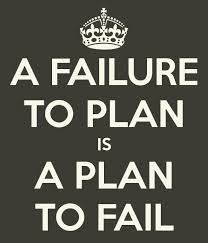
fail to planSo my thoughts:

Credit to the deputy in my teaching practice school in rural Oxfordshire along time ago “every hour of teaching John will need an hour of prep and an hour of reflection/marking”. That was aimed at a PGCE, maybe to an NQT but it is not sustainable, some planning time can be reduced from an hour per lesson over a period of time methinks. Even the oft hated Oftsed stopped checking lesson plans ( often perfectly presented etc) but want to see evidence of planning. But here is my analysis:


Planning long term
The first task with any class is to plan the year. Think about each term and the purpose, the aims and the build up to say a public exam. For most of my career I’ve taught GCSE, AS and A Level groups so this bit of planning threads aspects such as: coursework demands (when will the students have learnt the skills we test?) alongside standard assessments and exams and any reporting cycle (nothing worse than writing a report and finding out in an assessment the next week how wrong I was). Think through the rough division of the specification or units or topics. and Then also think of the state of our pupils, (not too much compromise) – Chemistry coursework started the week before Christmas is likely to be poorer but if we have four groups how do we fit them in? These are the discussions to have with HoD. This is also where we all produce, contribute to, work on and improve schemes of work; even in production the discussions can be a huge help to understanding the T&L of a course.

goal without a planPlanning mid term

So knowing it is these topics to cover this half term and these assessments to fit in, just check how far we got in the last chunk of time. For example the summer often catches us out, we restart the AS students and they are not well motivated (sometimes neither are we) so the autumn term needs to take account of such. Even now I still read over the topics, refreshed from a textbook and check for any shiny new ideas maybe from twitter, maybe from blogs. Chemistry is a great subject to teach and there are lots of ideas out there but the core lesson cannot have too many stories, just a bit of spice in the meal. So this “planning aspect” is about subject knowledge, and it needs building and learning by the teacher, hang it that was the stuff we wanted to teach so it should not be a chore. It’s the reading and the thinking how I might get this over and get it learnt and get it understood that is such a great part of the job. (and worth noting in all my years the content has changed at all levels and the assessment model at all levels and very often, so what I do now is far removed from what Terry Alsop taught me back in the 1980’s in my PGCE. Thankfully the principles held me in good stead.)

Planning short termarchitectural

Well that’s the weeks work. I still have a planner and think what I’m doing for the week. Science teachers need to order their kit for experiments and whilst we can be kind and buy chocolates for lab technicians, we know they need a fair notice. ( see blogpost unsung heroes). It’s now getting quite detailed, the odd powerpoint, video, website links I’m using, narrative from a text and a think about what questions I might ask and even what might be written on the boards. Oh and don’t forget homework!Certainly any worksheets for practicals or other activities need checking printing or ordering. Oh and here I might check my resource bank and colleagues shared resources and have a chat with colleagues. This is where we should not reinvent the wheel! I really like this and miss it now I teach less. I used to find it difficult to use other people’s worksheets and likewise I do with other people’s powerpoints but they are a starter. In fact this stuff all evolves. I grab last years lesson(s) and last years resources and adapt. In my first three or four years of teaching I did a long review every lesson and my reflections were one of the most helpful parts of my work.

Planning the lesson
Take the deep breath and have a think where we got to last time, check out the short term plan, adapt anything from my marking , heck they really didn’t understand that part. When I was a Head of Year and stuff hijacked me and even now as SLT when stuff in school happens this step can get lost in the fog of school. After all these years I know my stuff well and can cope and manage, it won’t be outstanding but it will be pretty good. There is a vitally important point to this part, we make the lesson work for the class, for the time of day, for certain individuals. We do this to help with behaviour, with progress and ultimately with attainment. Teacher’s know how important planning is to maintain and raise standards of behaviour and understanding – watch me try and teach French if you want to see how awful it can be. ( I make a good fist of it c’est la vie). This needs saying in response to the original article. So obvious really there is not much point me teaching how to do calculations in Chemistry if we can’t balance an equation. In a threatened new world where I am given lesson 256 today and tomorrow must deliver 257 it will come unwound in a hugely serious way. attainment will suffer and behaviour will deteriorate. Teacher plannerQuite often I’ve been lucky enough to have two Y10 or two Y12 classes, less prep -well sort of, the long the mid and the short but not the lesson. It remains a mystery that I can teach exactly the same and one group get it and one don’t, hey ho that is what we love about the challenge of the job. It’s what I think absorbs all the extra time too as the teacher pleased with all that work gets reminded – Ah but it still might not work for Robert, yes what can I do with Robert? so there is a final challenging jigsaw, are we doing enough for “every child matters?” G&T, pupil premium, SEND, girls, boys, middle of the road, quiet pupils? BUT we cannot kill ourselves with work, even I say to the NQT, sometimes you won’t be able to do an all singing all dancing lesson, it’s not a problem, just do some now and again to remind yourself why you came into the job.

Off the shelf plans, will they cut down planning? No. Will they save time for us all? No – and anyway much of this is done…..at home! DO I want offf the shelf plans? No its the creative bity of the job and if you offer me some they pop into a box called possible resourcves, I still need to do the planning. Or follow the logic and then read this post by Martin Robinson

I still think this basic, preparing a lesson is vital for the successful outcome and it’s a good reminder to try and protect each other from other stuff to make sure we prep well, we enjoy prep and our pupils benefit. One last small point though, pupil behaviour needs to be good, nothing more soul destroying than all that prep and an inability to deliver cause of poor behaviour or low level disruption. That’s for another post.

Here is a helpful link to @teachertoolkit clever 5 minute teacher plan if you have others, let me know.


Some questions to think about

Q1 How does preparation evolve in a teacher career from student teacher, NQT, the early years, middle leader etc?
Q2 What evidence should we see from colleagues, what evidence of planning without an endless stream of paperwork and extra work which does not directly benefit pupil progress?


and for those in church schools

Isaiah 28:29
All this also comes from the Lord Almighty, whose plan is wonderful, whose wisdom is magnificent.

Isaiah 32:8
But the noble make noble plans, and by noble deeds they stand.

Proverbs 15:22
Plans fail for lack of counsel, but with many advisers they succeed.

Psalm 94:11

The Lord knows all human plans; he knows that they are futile.

8YBA Head of Department

imageAfter while in the profession  (a while being a three years methinks) many teachers will seriously be considering where their career is heading. It is easy to forget even a new TLR is a small % of a teacher’s pay but it’s not so much the money it’s the status and the next rung of a ladder. So if you are thinking about being a Head of a Department here are some reasons why you definitely should do so :


You are going to be helping others, not just the NQT or PGCE students but your own colleagues. In fact all of them young and old; enthusiastic and grumbly (and sometimes both) nothing better than helping though.likewise children, you might be HoD but you will be helping children, your classes and other classes.

You might be able to pick and choose the courses for your curriculum subject. You are too sensible to change everything all at once but in the nature of education, changes will come and instead of being told what to do, you can do the telling. But you won’t make any quick decision, you’ll do the research, the thinking and the presenting of options and then consult, listen and get to a decision you are confident about and as for colleagues, for the most will agree with you and then run alongside you. Don’t contemplate the alternative.

You will have a few new challenges, the awkward member of staff, the supply teacher needing work and needing to find their way around your Dept. Oh and you’ve been teaching long enough to know it happens on the day you already have a lot on – welcome to the world of HoD.

image

You will have a budget and you don’t want it overspent as a shiny new HoD but you want to hear those pupils saying ” that helped us to learn using ….” in your lessons and you want it to make a difference to staff and hear they are pleased. Oh and the odd parent who will pass praise too.

imageYou will have to learn to use data. You might be good with your own data but you move on now from concern about the data for your classes to the data for the subject, and teasing out what that data and other stuff means. This opportunity, like others will need a mentor and coach and someone senior to help. A new and closer relationship which can be a great spur in your career.


You will probably be doing appraisals and certainly observations and expected to support and challenge in a professional way. this is a great way to help maintain and raise standards. But also something of a warning here, with responsiblity comes accountability. So think how you will use all the tools ( data, observations, work scrutiny, your educational nowse and your own methodology etc) to hold yourself and then others to that account. Do it in the nicest way, because you will know the staff (soon) and who (a) does the job and worries or (b) who doesnt do the job and seems not to care. You might have to sort a colleague through a difficult patch personal or professional, whatever the crisis your school needs those children taught, your input is invaluable.

You might well feel the need for some added training, you have probably learnt what not to do from some people but knowing what to do isn’t easy. Pick your CPD carefully and plan with a senior colleague over a few years, you can’t expect to be the finished HoD at the end of the first term. Spot or seek those other great middle leaders and get some coaching from them.

You get to do some innovative things, but check out which will work, do your research, do some pilots or trials and in this you’ll learn the art of delegation, but do not use that phrase “it will be good for your career”! Teachers know when they are being dumped on, treat them as intelligent beings, not as daft pupils. In fact learning to treat colleagues properly is a vital and lifegiving aspect of this new job.

You’ll get some surprises – make sure they are not critical by checking your  systems. Entered for the right exams, studying the right spec, doing the correct texts. Yes, you will need to start “checking up” on colleagues maybe an unexpected call from a parent for good or for ill. You will also need to expand your own repertoire – you might not have taught SEND pupils or the whole Y13 course, or spoken with governors.

You will get some “influence” which is , in fact, all that leaders really have. So lets say some new idea comes along ( and can be from lots of places DfE, government, TES, a book, a blog, SLT etc) will you embrace it fully? will you ignore it fully? Assuming it’s not statutory, how will you work out what to do with this apparently clever initiative?

you get to lead meetings! Ha, you recall how you have moaned about those meetings full of business, or boringly wasting time? well you are in charge now. You want them to be focussed, upbeat, short? Great that’s your call but “stuff” has to be done – after school meetings, INSET time, twilights. Of course with a boot on other foot, you now also attend meetings. My advice: watch and learn. ( check my blogpost wednesday period 6)

image


One tiny warning if you move schools as a HoD I think it’s one of the most tricky moves in education, expectations will be high and it’s a whole new school with new systems and new children. Plan to be gentle on yourself, take as much time as you can to learn about the children and show you can teach, then bring on the HoD stuff.

I think it’s a great role in school, the start of a wider influence (Middle leader) and learning to manage and lead a team. You become a role model, you’ll probably attend middle leader meetings and in time be expected to contribute, to the direction of travel for your school, appointing colleagues, working with governors, solving problems and maybe defending your subject and considering wider school issues you had never considered.  You might get a bit more money, a new title and a small corner for an office. Oh and you’ll soon see why senior leaders think of middle leaders as the engine room of the school.Go for it.

Further reading:

Instutute of Education London on middle leaders

Teaching leaders on Why middle leadership?

The Guardian Making the most of idlle leaders to drive change in school

National Professional Qualification for Middle Leadership (NPQML)

Sec-Ed Three keys to middle leadership

From Professional development: leadership for learning for middle leaders

Monday Period 6 – Extra curricular? NO – vital lifeblood

A previous Headteacher at my school set out our 1265 hours (in the days that it applied) he carefully calculated that after teaching supervision and meetings we all had 65 hours left and announced to us to “do something with children” clubs, sports, music trips. It began a culture of what was then called the ‘hidden curriculum’ is now called extended day or extra curricular.  I’ve come to see it as part of an essential and vital oxygen supply to the life of our school.

0913-230913-23Clubs activities and trips and visits have huge value in their own right. Great wonderful opportunities: Places visited, skills learned, social mixing and making new different friends, role modelling and aspirations, teamwork, independence, curiosity spurred, performance demands recognised and celebrated. But it is much more than that – most activities bring ‘volunteer pupils’ along, well maybe some arm twisted pupils but the keen and enthusiastic. Then of course there is no   the activity, no league table pressure on pupils or staff. I’m not saying sports teams don’t have some pressure, we all know it’s not the taking part but the winning. It’s not as if we would accept a sloppy musical performance so we still have standards but not exams, not grades.Then at the heart of these activities just as at the heart of the school are relationships and they are somehow a bit different. I don’t know I can describe the differences:

  • Teachers still monitor behaviour
  • Teachers still work with parents ( they get cross when parents turn up late to collect their children and forget the old “thank you)
  • Teachers still do health and safety checks
  • Teachers still plan and think of the worth of the details drawn from the activity (hey and some activities take so much planning and paperwork we all wonder that they ever happen)

0913-23But there is something magical about this relationship, pupils often really love those activities and therefore their teachers. Older pupils do for the most learn to genuinely appreciate the effort, the time and the contribution and so too do their parents ( OK not always I know). I wonder if we (me) as SLT appreciate the effort , energy and contribution. It’s not just about publicity, the head being able to say we do DofE and sport and yoyo club…and …and…..obviously that does happen and should do with a huge pride, because it is a source of rich cultural endeavour. It’s not just about the school website looking attractive with photos of trips and music and sport ( you can check ours!) In my view it helps with a much deeper question.

0913-23A lot is written about behaviour and behaviour management and we all have to learn our own ways to keep discipline. I sometimes disagree with SMW but he is right about discipline and low level disruption he just doesn’t articulate his complaint so well or the media distort it.

If children like school and like the staff and like the activities surely they are beginning to like school to such a point that they are therefore less likely to disrupt, to mess about to skive or be absent. The extra curricular life blood is critical. Pupils begin to appreciate their institution because of the people, not the building.  So those caught up, attend school and then when they find themselves in a geography lesson, well they might try and might just learn, a skilled teacher can exploit their commitment to the school. So we all benefit from the contribution of those who run after-school, or lunchtime clubs or weekend trips. Recently SMW and OFsted have published materials about low level disruption and if you have ever had to work out which ‘benefits to remove’ or ‘punishments to give’ to a pupil – an after school detention, or isolation, or even lines, there is nothing to compare with the statement “you can’t go on the trip, you can’t play football this week” Express this morality will have a powerful effect.  Even if you have to explain the vitality of taking these opportunities by spelling it out to pupils and parents do so and some poorer behaviour will become less of an issue.

0913-23I often look at our pastoral staff, and they are good, very good I think and they can be excellent with some potentially difficult pupils getting them to conform. Why? Often because they took the same pupils in y7 in a sports team, or encouraged them to learn an instrument and congratulate them on successes within the school day but beyond it too. They went with them on the battlefields trip or the trip to France or organised a trip to LIncoln, hey supported their interest in the HET visit to Auschwitz. Or just maybe stand alongside them digging in our allotment, or….

0913-23Our old head was spot on. Don’t use teacher hours in endless meetings, encourage them to do things with children. After all for most of us doing things with children is why we came into this job in the first place. It makes for a rich experience, and it helps pupils learn to really love school and love teachers and that done behaviour will be better and then learning improves and teachers can get on with that other job – teaching and learning.

Some links:

Sutton trust articles on extra curricular consequences

BBC on tuition and hobbies helping richer children

Some questions to consider

Q1 How can we share and highlight the importance of extra curricular opportunities to parents, pupils and teachers?

Q2 Is it right that the worth is greater than the intrinsic value of the activity?

Q3 What do schools do to ensure staff have the energy and resources to sustain extra curricular activity, when they are under enormous pressure already?

For those in a church school

Matthew 5:40

if anyone wants to sue you and take your shirt, hand over your coat as well. 41 If anyone forces you to go one mile, go with them two miles. 42 Give to the one who asks you, and do not turn away from the one who wants to borrow from you.

Galatians 6:10

Therefore, as we have opportunity, let us do good to all people

Ephesians 5:16

Making the most of every opportunity

Ecclesiastes 7:27

“Look,” says the teacher, “this is what I have discovered:


Wednesday Period 4 – Data rich, information poor

Schools are data rich, but are we information poor? How do we balance the data, the numbers and dealing with real live children and helping them learn. Is data more of a dark art than a scientific methodology?

This is a dangerous blogpost because some people love data, and some hate data. I think politicians love us to have data. FFT Raiseonline, LAT and PANDA. Then there is the data we put into sims or other IMS systems for collecting school data, and I’m not even getting to life with or without levels. Then we have analytical tools such as 4matrix and ALPS. Hey and that’s just my school.

imageimage


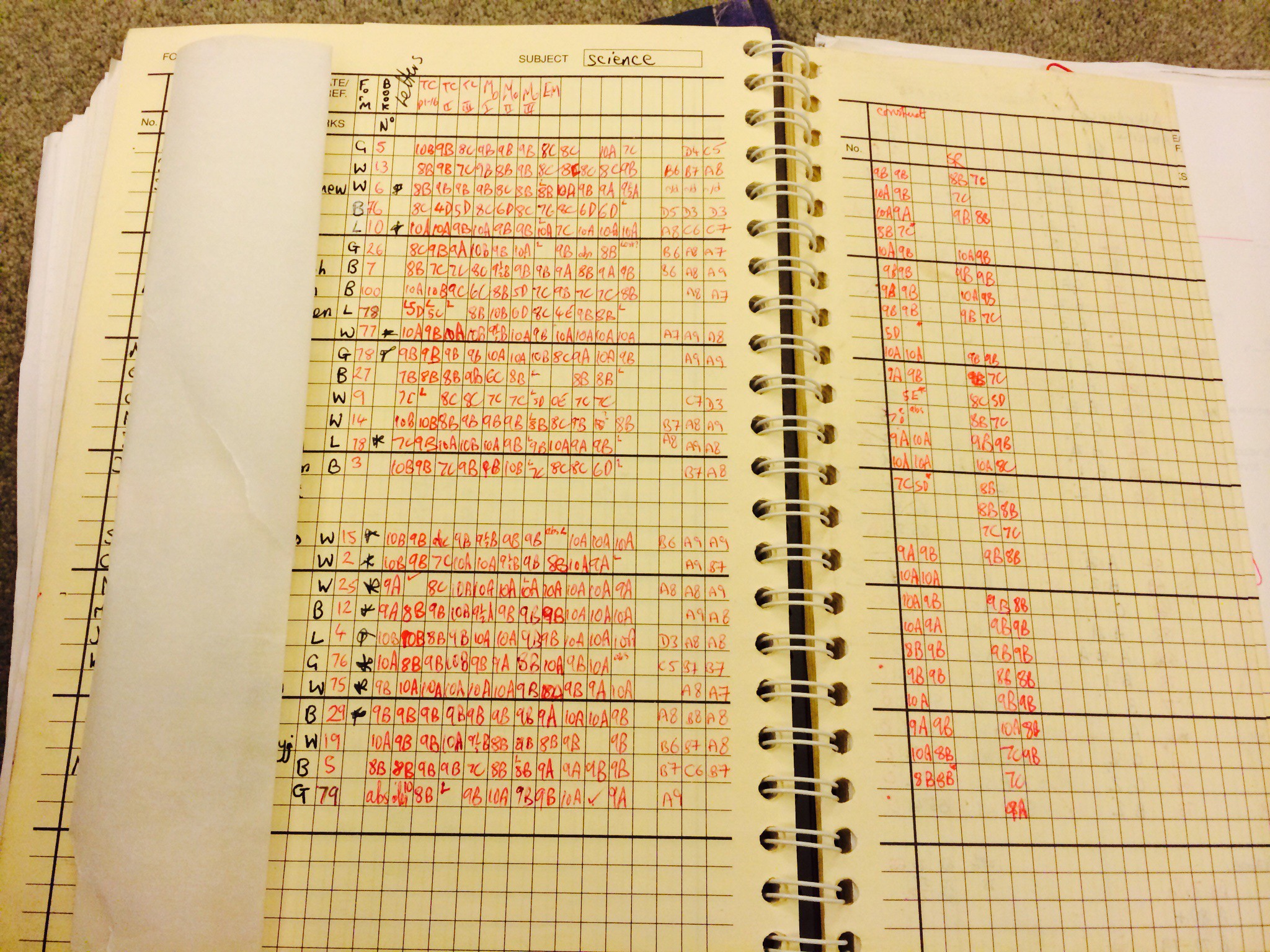
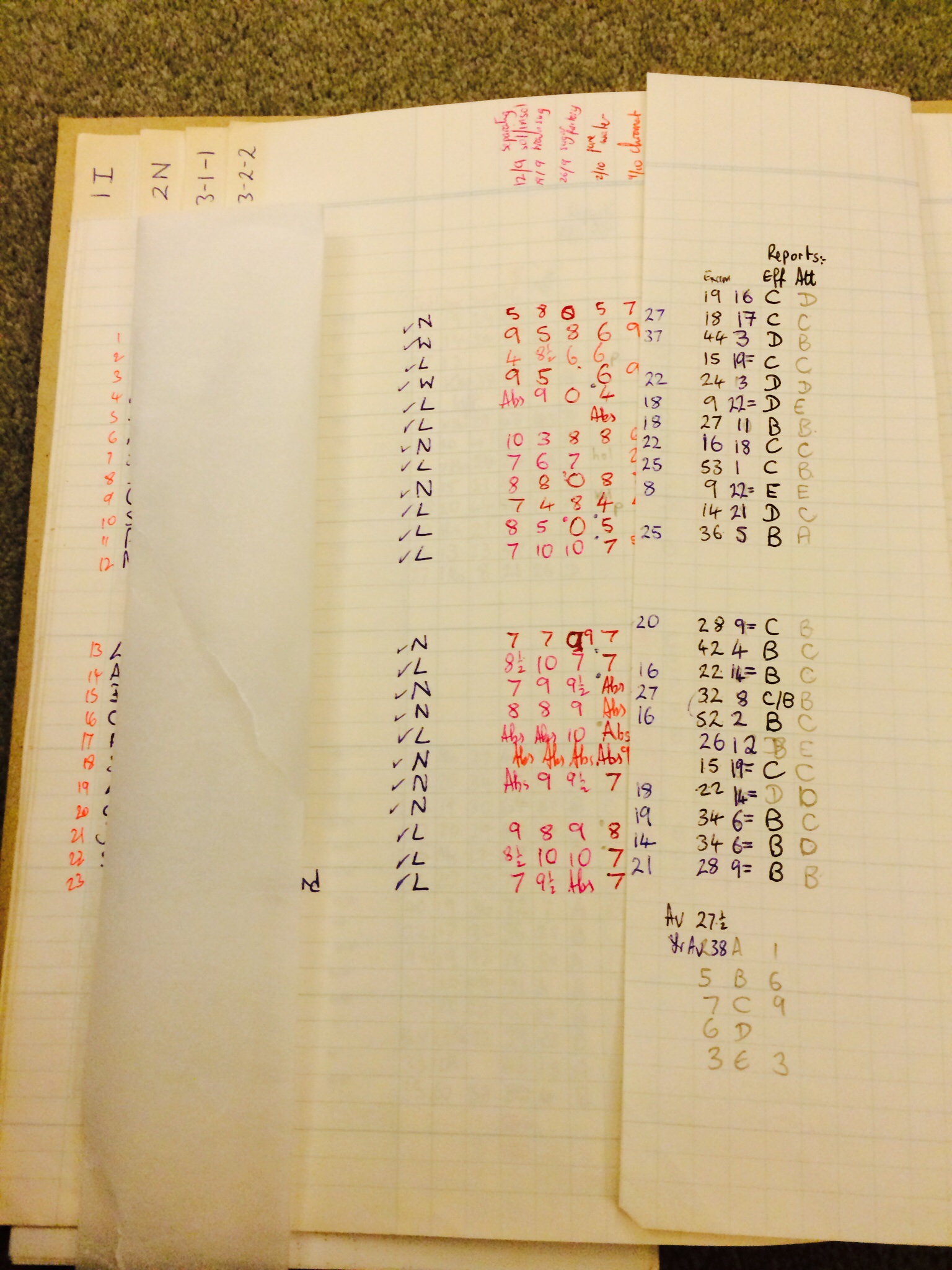
There are other layers too – most teachers collect data, most departments collect data. I used to dread my HoD checking my mark book in case I had to explain all my codes ( late work due to illness and absence; late work due to lazy etc) then there were my inconsistencies such as a blob meaning I was worried about that pupil on that topic, then the gaps where I forgot for a few weeks to keep a register – nothing anarchic just had so much to do in lesson counted heads asked where X and Y were and cracked on. Whatever mess my mark book was in it was a data tool, it recorded data, in a limited way it analysed data.

image

It could have been better, but it served my purpose I knew pretty well who progressed, who didn’t and my predictions were usually correct. I played a few games, telling some they were likely to get a D knowing my conversation would galvanise them into work for a C – others needed cajoling and constant encouragement but hey they made it. My classroom has always been all about relationships, me knowing them, them understanding my expectations, me knowing Chemistry and them learning it, with my help. My data telling me who was getting along OK and who wasn’t. Data, plus thinking, plus conversations plus educational nowse.

Now we are in an overwhelming data dominant world. If you ask me as an SLT member how X is getting on, well we can check attendance and compare it to others in classes/year/school/nation with all manner of codes and % stats. Shall we look at behaviour or achievement data across my lessons, across the year group the whole school. Progress data or attainment? Or marks, mine or my dept or what I consider my critical marks such as assessments and tests? Dealing with data for parents and pupils is a whole different blogpost.

imageimageimage

I recall back in the day we had an analysis of SATs called anSAT and a local subject adviser asked me to check out some new ( expensive software). It analysed skills and knowledge in the subject in huge detail for each pupil. He showed us ‘Petunia’ ( not her real name) she had a whole A4 chart showing lots of bars, her marks now apparently converted from her responses to show her understanding of topics compared to the class, the year, the nation probably the universe. It showed she really got this topic and really was lost on that one. The head of subject was getting very excited, he loved numbers. “So are you keen?” said the advisor. “One question” I said, “yes”said the advisor. “No, not to you but to the head of subject – thinking about Mrs Ordinaryteacher ( not her real name) who teaches your subject, if we went in her class could she tell you that information about Petunia?”- “yes, more or less, maybe not linked to the year group but to the class and to the national and to their targets etc”. So why bombard her with so much overwhelming data and with that data the added worry piled on a deeply conscientious outstanding teacher?

Data has immense power and value-we can pick out patterns and themes maybe a topic no one has really understood, maybe an area we need to make new resources. We can and should help each other with it, but not get obsessed by it. I am a teacher, I like creating resources and helping learners, much better than tiring over data and worrying I haven’t missed anything. You see the job is an art not a science. Let the good teacher get on and teach, ensure they have enough data but do not overwhelm them.

image

In the 90’s I met a fairly senior History examiner whilst I was attending award meetings for A Level chemistry, I said to him that our award was challenging and complex but reasonably objective, how did he feel about the accuracy of History? Oh, he replied, we are good, I am confident, when we award a C grade for example it really is a C grade, or maybe a B or a D but it’s definitely around there. I often think just how scarey is our dependence on data and results with their massive consequences for pupils, and teachers and schools. Is it time to say exams are more of an art than a science and just plan (and judge) on that basis? Use data to help identify issues but tackling the issues is the challenge. SLT we need to make sure our teachers have enough of the right info.

no teacher ever

Well back after August it’s that hugely time consuming job – ploughing through results data and soon revisiting FFT etc Oh and then the surprise of an update, or the governors data dashboard showing something a bit different to what something else suggests. It’s back to pouring over Raise and remind myself which colour is which because in ALPs the colours are different. One of my favourites 4matrix with another upgrade and new tricks (check out their video intro) but giving me the feeling there is so much more hidden away-help you’ve intimidated me. I know that data analysis which is demanded by so many accountability measures is crucial to the job, and I know SLT need to know the data but really a we need to know our school and what information the data reveals and then make good decisions about our school.

All of this can suck out our time, and energy and then when I talk with colleagues and we discuss data there are further complexities. I hugely appreciate the contribution of data managers but occasionally I just need to check we have a balance. In all honesty I could spend all day doing data but the pupils will not benefit as much as they might if I sat and taught them or even listened to them or just took a bit of genuine interest in them to lift their self confidence and to encourage them to learn. Right that’s it shutting down my computer to go amd watch the year 9 boys football team.

imageSome questions to think about
Q1 What data is the critical crucial data needed by the teacher in the classroom to maintain and raise standards?
Q2 How do we ensure we do not overwhelm class teachers with data but that we so point out patterns and themes which need addressing?
Q3 Are we too driven by data, or is it the magicians wand to point out what has to be changed, kept the same, or transformed?
Q4 Those who want to get on with teaching and leave the data other than a mark book behind are being naive-discuss!

Q5 just how much of FFT Raise ALPS Panda does any given role need to understand?
There is an even more vexing question – just how good is the data. Have a read of this blog by @Jack_Marwood

Not much for us in church schools on data in the BIble but some on how we approach the job!

Matthew 22: 16

They sent their disciples to him along with the Herodians. “Teacher,” they said, “we know that you are a man of integrity and that you teach the way of God in accordance with the truth. You aren’t swayed by others, because you pay no attention to who they are.”

Psalm 119:66
Teach me knowledge and good judgment, for I trust your commands.

Ezekiel 34:12

As a shepherd looks after his scattered flock when he is with them, so will I look after my sheep. I will rescue them from all the places where they were scattered on a day of clouds and darkness.

Monday Period 1 – *New Beginnings

In a way it doesn’t matter if it’s a NEW week or a NEW term or a NEW year – or all three in one!

Schools start the new term with INSET and those slightly odd first days of admin and assemblies, but they will nevertheless ring out with their ‘year group assemblies’ and classrooms and numbers of teachers saying “It’s a new start“.

HP mark bkIt is so good we can give a fresh new clean start, some children really need this, probably some adults need it too. There is something special about the first page of the new book, the new uniform, the new shoes. Almost all the new year 7 will have had  a photograph taken at home before they came to school in their new uniform at their new school. Its a new world as well as a new beginning.’

Even staff love their clean, new mark book, new planner and new diary. I wonder when do they become those old tattered friends filled with details of lives? Whilst I appreciate what ICT can do for us, opening a new ‘Word document’ just does not have the same effect. As for my new exercise book – does writing on any page get better than that crisp new page at the front after writing “your name and subject”? In my career two pupils when asked to do this have actually written ‘your name’ and one pupil wrote ‘Fred Bloggs‘ after I actually said don’t write your name’ but write your name for example Fred Bloggs – hey ho I’m such a poor communicator.

photo

Of course it isn’t really a brand new start, unless you are Y7 or a brand new shiny teacher, but it is a new year. It is a chance to start afresh, staff have had a break, and the rhythm of school brings us full circle with a new intake and the school year has rewound to the start once again. I worked outside of education a short while and talking with friends it does not happen so clearly elsewhere, people holiday at different times and the ‘new’ does not happen. I know that some blog readers will not be believers but there is an echo of the church calendar. When a church gathers on a Sunday it’s the first day of the week, and some time is spent reflecting on the last week, seeking forgiveness before looking to the new opportunities in the week ahead. There is no doubt we need to reflect in school. My first teacher planners which I genuinely treasure are hand written with the left column my plan and the right hand column my reflection. A reminder how I sat with my ‘old’ planner to see what had gone well and what had gone badly, to do more of the former and none of the latter. Following the story of my lessons I can see (and still recall) sometimes it worked sometimes it didn’t BUT it was vital in that important aspect: ‘ how can I improve?’

image

A new journey starts here

Back to the new term, new opportunities, new ideas to try and and meanwhile forget the rotten, bad bits of the past, to an extent putting that behind us. This is also a time when we tend to think a little about what is really important to us as we begin a new year, you probably heard some of it in the head’s ‘Welcome Back‘ speech. Pupils often need a new start, and not always at the start of the new school year, a little bridge back into their school community and a new opportunity, probably not too many if the action plans don’t work but forgiveness might be important for some. They too will embrace the challenge of the new year, maybe the new school for Y7 or the new Y10 curriculum they had a say in choosing for themselves, or a very big shiny new Y12 confidently or with a big dose of trepidation starting those A levels ( hey it’s a big jump this new year). Fear and joy, it is just so exciting, well and scarey. Pupils need support and bags of encouragement – some secretly want to take part in the school play this year, learn a new instrument, take up a new sport, or even make new friends or just make amends. Parent and teachers can help them – or hinder them.

contemplationI always found the first full ‘normal’ week back quite hard, I’m not sure what the next class would bring into the room, I got a bit sick of the sound of my voice, the holiday had no bells and now they ring the lesson start and end. Nevertheless it is the start, it’s the beginning of an exciting new journey. Welcome back to the new term and being in the challenges and opportunities of teaching and learning.

And some questions for you to think about in the nouvou world:

Q1 When we and our pupils are so busy how do we find time to reflect?

Q2 I made my Y12 write themselves a letter about how their revision and Y 12 mock exams went immediately after they were over in the summer. We then opened them this week and reflected. What activities do you use to help pupils (and staff) reflect, in the busy routines?

Q3 Is there a limit to how many times can we give a new beginning before we say that really is enough?

and a bit more thinking about the mundus novus in Church schools:

Genesis 1:1     In the beginning …

2 Corinthians 5:17:    Therefore, if anyone is in Christ, the new creation has come: The old has gone, the new is here!

Hebrews 8:13     By calling this covenant “new,” he has made the first one obsolete; and what is obsolete and outdated will soon disappear.

Ephesians 4:24    and to put on the new self, created to be like God in true righteousness and holiness.

You might like to read other posts from my timetable of teaching – each is set out from lesson in the school week, before or after school or at the weekends, appropriate to the time of day. I have also started a  class lists or “set lists” which was to answer the questions: “why be a teacher?”or “why have other responsibilities in a school?” Shortly I am starting a new area about progress from one role or experience in teaching to another with hints and tips about successfully moving on in the job and your teaching career.

Monday period 5 – A simple and profound lesson to learn

If you are hoping for inspiration for teaching your Monday period 5 jump to the end. My Monday period 5 is my worst lesson. If you are an ex pupil reading this, I do apologise, I can explain. If you are a present student get off this blog and back to the work I set you. When preparing for my week, sorting assemblies, pastoral work for the teams I lead and critical admin or UCAS ref then marking and lesson prep etc invariably there was not enough time. I am a professional, so usually got Monday 1 and 2 and even 3 or 4 sorted but 5…it got left, drafted but left. After all I am SLT I have non contact and so that lesson could be polished in my free. What free? Why have I never ever learnt that my free on Monday got hijacked, maybe cover, maybe someone needing to talk – a sixth former wishing to quit, drop a subject, change subject, or a teacher…… with bothers, with worries….but I never learnt and end up with my meagre prep and the 10 m walk to the lab as I get to Monday period 5. Apologies all round. Thanks timetabler this year first ever no class Monday 5.

BUT one thing got me through, it was always on my mind, or in my mind, in fact in my soul and it goes back to my very first school and the end of my first year of teaching. However I recall it today because it is the school holiday.

Yesterday I arrived in Eastbourne or as my Dad would have said the seaside. As I took an evening stroll, I thought of my Dad and many happy seaside weeks as a kid and one profound ritual. As soon as we arrived we had to go to the beach. Whatever time of day, whatever needed doing, before any bag was unpacked, we all had to go to the beach and paddle in the sea. Just paddle in the brine, Dad thought it was good for us but it was a significant moment it meant the holiday had really started. I did that here in 2014 after arriving and I thought of my Dad, and his ritual is now mine and the holiday has started. Then as I strolled the sea front I though of other significant moments and rituals and I remembered a profound moment that still inspires me the teacher.

image

Back in the early 1980’s I had just completed my NQT year, woop woop. I had survived, I could teach, pupils could learn and most pupils even behaved themselves, some enjoyed my lessons, and I quite enjoyed the job. More importantly I learnt from great staff. Many of us might think the pressure of change under Gove or other recent SoS is worse than any other teacher has had to face. I am no Historian but the people who I was learning from were awesome staff. Some had started work just after the war – so stop and think of the changes from 1940’s to 1980’s not just in Education (qualifications, comprehensivisation, secondary moderns, the 11+, ROSLA, graduate teaching, corporal punishment, expansion of primaries, free milk (ohps) etc etc) but think how a grey 1950’s society transmogrified into swinging 60’s and these were the people managing pupils, teaching and learning throughout. I learnt so much. Miss D my Head of house who kept order, not just pupils but staff. Mr H in charge of special needs pupils: every single special needs youngster stood out, their manners, their impeccable behaviour, their progress, their employability, their reliability and willingness to help out even me and I didn’t even teach them. Mr L, another Head of house, formidable – he would never have needed a ‘cane’ that would be an affront but no one ever refused to change when he spoke to them, teacher pupil, even SLT! None of these were PGCE graduates all were wonderful teachers who got the best of results (in the full sense of the word). In my tutor group parents would ring me , the NQT and ask me to get their children dropped several sets just to have Miss D teach them (she never taught O Level!) I wanted to be a teacher to make a difference, to help young people learn my subject and to help them aspire, aim high, and there in my school these wise sages were doing that day in day out, and I was privileged to live with them and learn a few tricks from them.

So my profound moment – the start of the summer term and endless invigilation, no lesson prep, no marking but walking the lanes of exam desks. My HoD and I had been busy deciding what to teach and how to teach ( sorry present generation, this was what the job used to be like) and he asked me a favour. Would I go to the Curriculum meeting for him, he was unable to attend – he had OK’d it but this was the meeting options were given out, we needed the list of those choosing (opting for) Chemistry. I went along scared, rightly so as the pastoral giants took their seats ( hey and they were their seats) and the departmental academics arrived, then deputies and the Head. Top of the agenda the lists: “take them away. let me know any major issues” said the deputy politely. Just a few minutes of silence and nodding heads as the lists were checked, a few sighs of relief from me as most had chosen a Science (only Maths and English were compulsory and that a school thing I recall). But then the moment I’ll never forget. The Head of PE Mr K was clearly sighing, tutting and not happy. The Heads of House never missed a detail.
“Whats up Tony?”
“Oh nothing really”.
“No go on what is it?” Mr L didnt understand ‘nothing really’.
“Well” said Mr K “you all know we are offering CSE PE for the first time and we have worked hard on the resources and curr plans but I look down this list and it’s ..well it’s just depressing.”
“Why is that?” came a curious response from the Head of House.
“Well, if you want an example, we have Jim Jarwood and he …….can’t even swim.”

So as I watched carefully for the reaction, I passed sympathy to Mr K. My HoD and I wouldn’t like anyone pitching in for Chemistry who hadn’t shown some competence in Y9, and someone cack handed, dangerous or unable to sit still.. so what was the reaction:

“Tony” said a smiling Head of House rather cutting the atmosphere
“Yes Bill”
“You’re a bloody PE teacher Tony, teach the lad to bloody well swim.
Next item…….”

image

I can’t remember anything else of the meeting but that moment struck into my soul, like my Dad’s holiday ritual. So whenever I am a bit uncertain about my lesson, or facing a cover in French I just remember those words. “Mr Dexter you’re a teacher, teach them.”

Some questions to ponder;

Q1 We often reflect on our lessons and pedagogy but what are the profound moments in schools which have influenced you?

Q2 We might feel the political agenda hinders or even prevents the ambitions we had about being a teacher, does it really?

Q3 The school machine is oiled by the quality of relationships, which people do you seek out for sage advice, and wisdom? Oh and one day will others find you doing that for them?

For those like me working in a church school

Ephesians 1:16
I have not stopped giving thanks for you, remembering you in my prayers.

James 3:13
Who is wise and understanding among you? Let them show it by their good life, by deeds done in the humility that comes from wisdom.

Daniel 1:20
In every matter of wisdom and understanding about which the king questioned them, he found them ten times better than all the magicians and enchanters in his whole kingdom.

Friday Period 7 – A worthwhile job

Twitter, blogs and some newspaper articles are failing to balance the good things about the job of a teacher as well as the pressures, and I think I’ve done that in my blog too, so this post is to remind me and others what a great job it can be.

This time of the year I seem to be at various events where I come across ex pupils, including some such as parents (who I once taught) of our new Year 7. It’s also a time when emails drop in from those graduating with news of degrees, of firsts, of jobs and “please can you do a reference?”If I had a facebook account I might keep up better but I might never get any work done.

Friday evening and I had an invite to a party – not really me after an exhausting week but out I went. It was to celebrate a local company achieving over 10 years of business, and it’s run by a former pupil. I went with a few other colleagues and could not have anticipated such an uplifting evening, not least the gratitude which greeted us just for being there. During the evening several others ex pupil peers were there and I caught up with their activity but they just wanted to talk about school days, for some almost 20 years ago. Another little generation appeared through a connection and off we went again as they enquired about teachers, reminisced about their time. Spookily it was almost a self assessment reflection : what I did well, what I could have done better, what I am working on….

I was interested that they were still looking for some approval too but it was genuinely lovely to see them, to hear about their families, their work and their lives, and of other ex-pupils too To hear they made business decisions seriously influenced by the ethos we tried to share, was quite significant too. I recently had contact with two others now involved in the media, they still call me Sir, they still laugh about the funny moments and they have a huge pride in their school, oh and they pull my leg. I’m not naive, there will be many ex-pupils not in touch, who hated me, hated school and may or may not have been successful, I might never know, but what I do know is those I bump into remind me of why I do the job I love, even those whose life took them in a different direction.  Oh and I do know it’s not all down to school, schools are complex places, so too are people, the influence of family and friends and their own integrity are often much more important, but we play a part.

Two other ex students are both involved in teaching and they wanted to reminisce but they also wanted to pick brains, each other’s and mine. How sweet I actually thought, you still want to hear my ideas, my thinking, I would have thought you had more than enough of that – not so!

So fellow teachers and especially those starting in the job, or going on as NQT’s or moving into the early years of the job, my post is a bit of an antidote to the Guardian’s “Secret teacher” oft complaining ( sometimes rightly) of the job. Sure there are issues, battles, problems, massive frustrations, stuff out of our control BUT the job is about education – educare “lead out” and meeting older pupils after Uni or after a period of work or after parenthood and seeing them having blossomed and fond of their old school (and their old teachers) does make for a reminder that the job is worthwhile.

My two ex pupils are now in education ( trainer and teacher)  both had sat in A Level Chemistry with me, I can recall both as clear as if it were last week, the marking of their coursework and the stuff they did which annoyed me, and getting them to listen, dragging stuff from them as we always do (don’t we?) feedback and probably a hundred other things I did whilst teaching them hey they are so worthwhile. We often say we look for pupils to ‘fulfil potential’, we have all handed out results at KS4 or KS5 which have seen the pupils dream from Y7 come true ( even when it felt a very long way off in Y7) and to see them now…..well it made sitting down to that work then seem all the more worthwhile, and spurs me on to the next tasks I have to do too.

So the purpose was to remind me and you, reader, what a great job teaching is. Oh I know this is all anecdotal there is plenty more to notice:

  • pupils who manage to learn
  • pupils who progress and achieve
  • pupils who turn things around
  • pupils who take responsibility on
  • pupils uninterested in a subject becoming fascinated or curious
  • pupils who discover and exploit talent
  • colleagues who make ideas work……my list could go on but it’s Friday 7: forget school and enjoy a beer. Except that…..school, well it just never really goes away.

Some questions to ponder

Q1 What are the long term rewards of the job?

Q2 Do we share the better aspects, the philosophical reasons why we do this every day, to encourage the next generation of teachers?

Q3 Give me a child until they are seven……and I will give you the (man) adult. Discuss!

For those of us in a church school

Luke 6:40

The student is not above the teacher, but everyone who is fully trained will be like their teacher.

Ecclesiastes 7:27

“Look,” says the Teacher, “this is what I have discovered: “Adding one thing to another to discover the scheme of things

Proverbs 3:1

[ Wisdom Bestows Well-Being ] My son, do not forget my teaching, but keep my commands in your heart,