Friday period 0 – “Hope” in the head’s office

web-Balloon-girlAs a new head back in January I chose a theme for 2015. We are a church school and the previous head had been at the school 28 years as a deputy then as a head. He often told the children he “loved” them and they genuinely agreed. SO I long pondered on faith, hope and love BUT decided on…..

hope for a number of reasons but three compellingly convinced me:

1) I genuinely believe we need all need hope, and I ordered a copy of the Banksy shown here -well a copy not the original, for the office. “There is always hope” I wanted it up on the wall to point to and present for anyone who came my way be they upset, coping with tough stuff or on the edge of bad stuff. A daily reminder that we all need someone to have hope for us, in us and standing with us. A parent, a friend, a teacher can and perhaps must bring some hope in an age where we continue to worry over the health, especially the mental health and well being of each other.

2) This happened – I had taken a Y13 class a few years ago and it was the day all teachers so love when mocks are handed back. Their scripts were pretty bad. In those days I just went through he paper, we discussed exam technique BUT frankly they just didn’t know enough, understand enough and then applying tha weak gasp in a new situation as Salters’ demanded was impossible. I think few scored very well overall , some scraped an E or a D. There was me their committed energetic Chemistry teacher ( who had clearly taught them well) and their was me as Head of Sixth form having written great references as I did believe in them –  did they not see how they had done the proverbial ( let me down let their families down let the school down BUT worst of all let themselves down). Wow was I let down and wow did they get both barrels and although I was as nice as I could be and didn’t pick on individuals I made the points any reader knows well in the post mock debriefs. The class packed away and as the last Y13 left I just said “Are you OK with all that?” “Yes Sir” she said but her face told a different story full of angst and worry. “Go on ” I said “something is troubling you.” “well yes Sir – however bad it gets and you were dead right to tell us this was bad, you can carry on if you have hope, if you think someone still believes in you. ” She smiled and left. It was a critical moment, after that whenever I needed to deliver the same news (ie annually!) it was  a case of “you have a problem what can we do about it”.

3) When  I did my NPQH I have written elsewhere it wasn’t much help buntitledut I came across the writing of Alan Flintham. if you are a leader and have not read his book you should. “Reservoirs of Hope” The case is simple but profound. Heads and their offices should be places of hope, reservoirs of hope BUT what if the reservoir runs dry – what causes it to run dry and what can we do to ensure our own hope is “topped up”. That’s a gross oversimplification but read it and tell me if it isn’t full of wisdom from his time as a headteacher – yes as a headteacher not an inspector or advisor but sitting in that same office offering hope – and seeking ways to top it up.

If you are in a church school:

Hebrews 6:18, 19 that we can take hold of the hope set before us and may be greatly encouraged. We have this hope as an anchor for the soul, firm and secure.

Isaiah 40:31   but those who hope in the Lord will renew their strength. They will soar on wings like eagles; they will run and not grow weary, they will walk and not be faint.

Psalm 71:14    As for me, I will always have hope;

No Questions this week a few quotes:

To live without Hope is to cease to live.         Fyodor Dostoyevsky

Optimism is the faith that leads to achievement. Nothing can be done without hope and confidence.  Helen Keller

Fear less, hope more; Eat less, chew more; Whine less, breathe more; Talk less, say more; Love more, and all good things will be yours. Swedish Proverb

Iconic image of the 2008 Presidential campaign by Shepard Fairey,

Iconic image of the 2008 Presidential campaign by Shepard Fairey,

Walk on, through the wind
Walk on, through the rain
Though your dreams be tossed and blown
Walk on, walk on, with hope in your heart
And you’ll never walk alone
You’ll never walk alone

 

You might like to read other posts from my timetable of teaching – each is set out from lesson in the school week, before or after school or at the weekends, appropriate to the time of day. I have also started a  class lists or “set lists” which was to answer the questions: “why be a teacher?”or “why have other responsibilities in a school?” Shortly I am starting a new area about progress from one role or experience in teaching to another with hints and tips about successfully moving on in the job and your teaching career.

Monday period 3 – Qualified Teachers – What exactly do we mean by qualified?

There has been much discussion about qualified teachers and unqualified teachers in schools. Let me start off by saying I am qualified I have a degree in chemistry from a reasonable RG University (at the start of the river Thames)  and I could probably be a Masters but I never paid my £15. I have a PGCE and I did my NPQH. So I am I qualified I think.

untitled

So does that mean I’m a good chemist? I hope so or at least I was.

Am I a good teacher? I’d like to think so.

Am I a good  headteacher?Well that remains to be seen.

  • There is a distinction between a qualification and the practice and ongoing CPD or training so I was glad to do my PGCE before I got started as a full-time teacher. However it didn’t prepare me for every eventuality. By the time I finished my first year I knew that I could survive in a classroom, I could manage behaviour and yes I could teach pupils some things if not most, but some parts of my subject I could not teach very well. In my second year I taught some things again and inevitably they were a bit better but it was in my third year where I really thought I could do with doing my PGCE again. There were some aspects of Chemistry and some children I just couldn’t manage to teach.

graduation-caps-in-airI hadn’t taught these topics or children successfully  in the first year or the second or third time and I faced up to “I really don’t think the class are going to be able to get this topic and I don’t know what to do about it” – and there was no internet, blogs or twitter.

During my NPQH I quite enjoyed the reading and research it was good to revisit and understand some proper educational research however during the whole of my time I didn’t meet a practising secondary headteacher ( save my own) only a lot of aspiring headteachers. There were aspects of headship I was worried about such as the competency regulations or managing budgets weren’t really touched upon but more than that. I was looking for some inspiration some passionate headteacher who would tell me that the job was better than the job that I was doing, a job which I thoroughly enjoyed .image

Well we aren’t strictly qualified for many things we have to do in school:

  • I have had to do pastoral work in areas that I’m a little uncertain about and whilst quite experienced now (=old) so I have seen most things but in my early days I worried about some of the sessions I had to lead on relationships/news and sone questions were bounced away.
  • Sometimes I had to cover lessons in fact I think I probably covered every subject I’m not really qualified for every subject so some of those cover lessons were not very good. My favourite cover lesson was an English lesson, I went in and the work set was carry on reading the novel. the pupils duly took out copies oftake a copy of the Wolves of Willoughby Chase. imageI sat down to do some marking I looked up all the class was staring at me, what was the matter. One boy said we don’t really read the book on our own. My next suggestion was to read around the class. “Why don’t we start with you Robert you can start reading.” Nothing happened. “OK ” I say so I started reading a little bit of the book with a view to asking them to carry time in due course – “No! Sir, you have to do all the accents.” This polite young teacher “Oh shut up and read quietly!”
  • Sometimes I’ve taught other subjects which for me includes Biology – I have no qualification in Biology. At my school (all boys ) we didn’t do O-Level Biology! Ok so I’ve read it up but it’s just not the same, I’ve no idea how important basics are in fact unsure what basics are. I’m a little better at Physics but when we had a shortage of ICT staff and I taught that I was literally two lessons ahead of my Y8 class. I have an ability to kill interest in any other subject – compared to what I genuinely feel I can do in Chemistry. It’s now 2015 and a long long time since I did my PGCE, so I do hope and so do my pupils- that I have moved on since 1981, after all I only had chalk, blackboard, and a delightful banda machine and a few textbooks – no IWB No internet, mind no data, no microchemistry and little contact with other teachers.image 2(3)
  • Sometimes I’ve spotted a gap in my lessons of a pupil’s literacy knowledge or maths skills; maybe these are not done in the other subjects  or maybe they are done badly maybe not understood or more likely finding it difficult to apply the ideas in a different room with a different teacher. I’m not a qualified mathematician but I sure can teach the Maths my way to help my Chemists. ( Something very important in the new world where we have 20% Maths in Chemistry BOO)
  • Most of my career I’ve been a “head a sixth form” and over some 20 years and many a time I’ve said to myself I think I’ve seen every scrape a post16 person gets into, then just before I finish that sentence a situation will present itself which I’ve probably never had to cope with . No qualifications help but experience, some little wisdom and a good instinct is what we rely on.

So it is more than just qualifications, but dont get me wrong  I’m a headteacher and I want qualified people – those with a subject they love and a passion for young people.

My best teachers were my Mum and Dad they had no formal qualifications and at home we had very few books or resources, I have blogged elsewhere about going to the library weekly with my Dad. So my parents fostered curiosity, integrity, discipline, character, diligence. They set high aims and ambitions – I wish I knew how. They seemed to produce a son interested in Chemistry and Science yet they had no scientific background at all. How? Well I suspect that was about partnership my parents and their attitudes and my teachers with their “expertise”. My classes at school all had 32 boys in – the same 32 every day every year but at home it was just me and Mum and Dad and their questions and interest in me. That made them very special teachers – we can all learn from people like that.

Mr Dexter at the RSC EIC 50th. School chemistry over 50 years

Mr Dexter at the RSC EIC 50th. School chemistry over 50 years

Questions

Q1 As it is obviour we cannot be prepared for every eventuality in a school, do we rely too much on “qualifications” ?

Q2 Are qualifications overrated? The most highly qualified person might not be the best teacher, let alone be able to communicate with the pupil who finds the subject very challenging.

Q3 Design the qualifications necessary for the job? – or get proper investment in CPD?

For those in a Church school

Daniel 1:3,4: Then the king ordered his court officials, to bring into the king’s service some of the Israelites from the royal family and the nobility— young men without any physical defect, handsome, showing aptitude for every kind of learning, well informed, quick to understand, and qualified to serve in the king’s palace. He was to teach them the language and literature of the Babylonians.

Hebrews 5:12 In fact, though by this time you ought to be teachers, you need someone to teach you the elementary truths of God’s word all over again. You need milk, not solid food!

Proverbs 5:13 I would not obey my teachers or turn my ear to my instructors.


You might like to read other posts from my timetable of teaching – each is set out from lesson in the school week, before or after school or at the weekends, appropriate to the time of day. I have also started a  class lists or “set lists” which was to answer the questions: “why be a teacher?”or “why have other responsibilities in a school?” Shortly I am starting a new area about progress from one role or experience in teaching to another with hints and tips about successfully moving on in the job and your teaching career.

Wednesday period 1 – Building character? or what we call – teaching.

downloadI recall a press visit a few years ago when the whole Jamie Oliver ‘healthy food” stuff was kicking off and a call for us to teach ‘proper’ cooking. The journalist from a broadsheet came to school and at one point asked the head and me how we might fit yet another thing into the curriculum. “After all” he said, “you have citizenship, financial literacy, healthy eating, fitness, democracy, relationships, driver awareness etcWell” said the head, “it’s quite easy we start at 8.50, do all those things and then send the children home at 3.30 where their Mums’ and Dads’ teach them Physics Geography, Art, Maths and English literature”

I like to remind myself there are 168 hours in the week or about 112 waking hours and we have the pupils in school to teach and influence for 25 which is about 20% of their lives. Parents there is a job for you to do there!! There is a lot to do in school and a lot to teach and that’s why we have a curriculum. There are of course trips and activities beyond the classroom – vital and I’ve blogged that elsewhere. The government recently announced a project to bring Rugby players into school to teach resilience – it might be the army to teach discipline, or chefs to produce the next generation of Mary Berry’s or in case you forgot that infamous Olympic legacy: bring in a few gold medalists who will inspire a great gold haul in 2016 – we’ll see won’t we! (and got the feeling ‘teachers‘ will take the blame for a lesser haul). Sport  and all sorts can teach us a LOT I have no doubt there -this is one of my favourite images to use at school -it is the expression of fulfillment agony, ecstasy, joy and pain. I use it a lot.image

head3png


Actually though what we need is good quality teachers and support staff. That is a responsibility a bit beyond my remit. As a school we are very happy to help fully in ITT through teaching alliances, through PGCE with HE providers, in fact to help in any way at all. I don’t want a Rugby player thank you! Ofsted won’t really be happy if my pupils are full of character but have poor qualifications, more important neither will their parents neither us teachers, nor the spooky “global economy”. It’s not either/or, it’s about growing characters as they grow up and learn. Ha schools – places of teaching, learning and Education ( drawing out).

8319210-large

David Jackson fund-raising


image

Etienne Stott


Please don’t get me wrong we love our “heroes” In recent years we have had all sorts of special assemblies, afternoons, meetings; some for the whole school some for a year group some for subject groups, some schools have big traditions like prizegivings. We have a sports award afternoon when many local hero sports starts visit us. They have all been great: from David Jackson a local rugby player, Etienne Stott and Rebecca Adlington olympic gold medallists, but also some of our own ex students: Panthers stars, football stars and equestrian stars and rowing stars. They come in chat informally and formally and their example and words have impact. I really appreciate their contribution, their story and their inspiring words, and even the extras – popping in to see students. We have had our local MP in school, a very memorable holocaust survivor from the HET, a famous northern poet, and a local writer, we even had a cosmonaut. I could go on check out our website for stories of those visits. They are vital, most schools do them, we all do them in different ways, but we all do them. In fact I bet if you look at any school website there will be a story of some sort of visit. Some schools can get bigger stars and celebrities it doesn’t matter, we all do what we can. These are celebrations, visitors confirm what we stand for and they do inspire and challenge pupils BUT the big influence goes on in classrooms day by day. 40 weeks 25 hours ( well minus those spent in these assemblies) .

e devicesWe don’t teach behaviour, character, integrity as ‘subjects’ we discuss them, we model them we point out good and bad examples of them, we do it every day in classrooms and on corridors. When I say we do,I mean teachers do. Therefore we need good teachers, good at their subject, good at relationships and good at pedagogy. Whatever clever ideas we leaders might have without good people in our classrooms we won’t be able to teach Physics or teach character or inspire our children. We won’t improve the lot of EAL pupils, of PP children or CLA – or any children. AS my forst Director of Education Sir Tim Brighouse said: “Good schools get the right teacher in the right place with the right class at the right time..easy” for the occasions when I have been the right person in the right place, I am proud and privilged for the people I have taught each and every one a genuine (and usually a lovely) character.

Please can someone ensure a good supply of teachers and a place to start might be to make the profession attractive again, to talk up teachers and to listen to practitioners as to what is needed to make it more attractive. But hey, if you politicians pile more onto us, pile more work our way, cut our budgets and slow to a drip the supply of teachers…..as well as talking us all down and blaming us, you’‘ll be needing more than a rugby team to turn that around. Meanwhile me and our staff will just keep up the day job, teaching our 1100 mix of little characters.

This blog did remind me of a lesson I covered with a Y8 class in which a little boy couldn’t log on. He said he forgot his password – try and recall it I said and he began…Snow white, Grumpy, Dumbo, Nemo, Robin Hood, Mickey Mouse…er…er.

599936-snow_white1_large

“Goodness” I said “why such a long password?” “Mr Smith said I needed a minimum of 8 charactersimages


Some Questions:

Q1 Building these personal attributes is vital – how do we most effectively do so as teachers?

Q2 What do you think are the most vital characteristics to have and to avoid? Confidence can so easily become arrogance. Humility so often self deprecation!

Q3 Teaching, Learning or passing the baton?

For those in a Church school:

Ruth 3:11 And now, my daughter, don’t be afraid. I will do for you all you ask. All the people of my town know that you are a woman of noble character.

Romans 5:3 we know that suffering produces perseverance; perseverance, character; and character, hope. And hope does not put us to shame, because God’s love has been poured out into our hearts through the Holy Spirit, who has been given to us.

Proverbs 6:23 For this command is a lamp, this teaching is a light, and correction and instruction are the way to life,


You might like to read other posts from my timetable of teaching – each is set out from lesson in the school week, before or after school or at the weekends, appropriate to the time of day. I have also started a  class lists or “set lists” which was to answer the questions: “why be a teacher?”or “why have other responsibilities in a school?” Shortly I am starting a new area about progress from one role or experience in teaching to another with hints and tips about successfully moving on in the job and your teaching career.


Saturday Period 2 – A Conference? Really? What use is that?

imageSo, what is so good about conferences. When you have a stack of work to do and a family and heck there is all that stuff on work life balance, why oh why attend a conference in London Thought I might try to justify this to myself as I return home from ASCL 2015 or #ascl2015 as we tweeters say!

1) Networking – well with so many people this felt fairly tricky. However by nature you meet people, at meal times, over coffee and in sessions. I like to somehow benchmark my own thinking on topics. So as an example when I was at a session on Ofsted, did I know:

  • “most” of what we were hearing?
  • do I understand and comprehend it any better?
  • what does it mean to me and my school or staff or pupils?
  • am I clearer what we have to do next?

That is less easy when the sessions come thick and fast. So in the informal conversations with the colleagues i just looked out; are their worries mine, are my concerns and therefore my energies pointing the right way?

2) Inspiration. I do love conferences when a speaker you havent heard about shows up and blows you away. The session by Dr Vicky Phillips was like this. Forget about taking notes, forget about nuance and what it might mean for the work we do, just be reminded exactly why you came into the job. BE inspired again to go back and make a difference to children’s lives.  This session did that for me. Then there was the inner chimp. I’ve come across this at a bit of a distance but the talk from Professor Steve Peters was just so uplifting, funny, clever, and made the points so well. This made me want to consider what that all might mean for my school and me and children and so on but it also cheered my spirit. It reminded me what great people there are out there – and if I am honest, it’s probably another book to buy an not read through a lack of you know what.

3) Focus. As a relatively new head but quite a long-in-the-tooth school leader I still struggle to ensure that someone has the big vision, when you are busy with the needs of children, teachers, support staff, and…… ( I really don’t want to make a list starting with Ofsted, Governors because it reminds me of all the responsibilities) So having read the ASCL documents on their ideas which I tend to read over on a Friday evening with a nodding head ( Oh OK yes and a glass of wine). So to hear two ASCL people bring the whole thing to life and begin to capture their vision and therefore hone my own gave me a focus. staring at the slogan “Trust to transform”. It also helped me reflect a little and therefore adjust my own thinking and vision. Actually I think I could have called those sessions ” more inspiration but with a massive dose of common sense”

image4) Confirmation. This may not be the right word but the session by Sir Michael Barber was good-humoured, and insightful and gave hints of life in the midst of government. It is so refreshing when you learn something knew – Well I never knew that about Anthony Blunt! But it was also clever it showed ASCL how it might actually help government and how leaders might influence very positively. It showed their ideas in the blueprint are doable, in fact he said Congratulations to ASCL ( his words n ot mine) on the work they were doing. But there were nuances which also rang true for example his points about “getting routines right” in government apply to us in schools. Much of our work day-to-day isn’t clever or smart it is routine, it is a system working. Schools are complex organisations and so routines we have such as those concerning communications need to be dependable, reliable and proven to work and not changed every five minutes. You can find a copy of “Leading the Way:Blueprint for a Self-Improving System” here.

5) Political. Any conference with three political party leaders in Education speaking just prior to a General Election must be political. we heard from Hunt for Labour, Laws for Liberal Democrats and Morgan for Conservatives ( Morgan of course being SoS for Education). I missed one but I am not sure I missed much. They tell their audiences stuff which felt to me in my cynical way electioneering so my parody ” we love teachers, we love schools we love heads and we appreciate what you do” I think every politician I have hard at such a conference says ‘we have the best generation of……’ Proof of pudding and all that though – are they listening to us? Nicky Morgan made an important point at the start of her speech along the lines that everyone you meet has a view about education ( probably because they have been through it or are in it) and no two people seem to agree. WHilst that is true I still think some of the people in the room today know a great deal about Education rather than because I once went to school I am an expert” we all have lots of views on lots of matters – try a google search for Clarkson! It did cross my mind there was a lot of very expensive people in the room and most are highly professional and deserve ( collectively if not individually) to be heard, listened to carefully and consulted. It would be naive to think those of us who work day by day year by year with children do not want the very best for them. I will judge this after the election, when we will see if the concerns expressed over these few days on serious matters like school budgets are answered in the black and white and not the vagaries of politicspeak ” there is no silver bullet etc”

6) Practicality. I guess we school leaders are practical people so a round of sessions on performance management, Ofsted, the new A Level and many others hands over sound advice and ideas. Once agin they allow a leader to think where they stand in the discussions and maybe adjust priorities or resources. I have thought a few times that a revolutionary reaction to many of the policy changes isnt helpful, in fact even my favoured evolutionary change may not be right ( albeit better or less worse than revolutionary). However a conference gives chance to have a think again.

7) The crowd and me. Well there were a lot of people in most of the meetings 800 -1200, they applauded stuff I applauded and when they laughed or muttered so did I. I have to think if that means I followed the crowd but I suppose It offers reassurance in the complex world I often feel I inhabit. I went with a colleague this year and this allowed lots of conversation about our school, and I really enjoyed that opportunity. Some supportive conversations, some challenging ones, much agreement with direction, some definite confirmation and some ‘Oh hang on’ moments. Also the definite start of a plan for this, a shelve the ideas on that. A chance to visit the exhibition together and pick up information on relevent topics and aspects of school improvement or on stuff you just hadn’t thought of in the daily hurly burly.

I don’t think organisers can plan to promise to deliver any of these outcomes and the infamous feedback sheets or these days feedback on the app probably don’t cover some matters here. So this school leader just says thank you for all that organising, inspiring, confirming, challenging and supporting – kind of glad you are there, no actually I’m very glad and gladerrer I was able to join you.

imageQuestions

Q1 What did you gain most from this conference if you were there?

Q2 Why do you go to such Conferences?

Q3 What is the best bit of going to conferences?

You can read the speeches and catch up on presentations here.

Going up and down - with various stops on the way!

Goig up, going down with various stops in between! Hmmmm

Nice hotel but soent a lot of time waiting for or in, one of these 🙂

Friday period 3 – Secondary schools – trust, thank and love your Primaries

As a new head I have been reminded of that infamous Donald Rumsfeld quote. Slightly misquoting him: “There are aspects about being a headteacher which I think I know about: teaching, learning, assessment, results, data, behaviour, systems, child protection etc Then there are some aspects I know I do not know so much about, for me these include primary transition, special needs, curriculum planning, budgets and HR. Then of course I have found things I never knew I was supposed to know about like counterterrorism, energy status, injections. Fortunately I have really good people around me helping me, as well as my own mentor. I decided to include in my first term a visit to the primaries associated with our school and meet the children and staff without being a nuisance. I already knew my primary head colleagues in our Trust were good people from previous meetings with them but what a privilege to see them in action in their own schools. It was also special for me to find many ex-students now teaching or being TA’s in those schools. Wonderful to see young people who we had helped through the sixth form with progress into HE and UCAS decisions and A Level stress who got into their chosen courses and now were proving to be great primary staff.

When I was a head of sixth form it was obvious to me that we benefited post 16 from all the work staff (including me!) had put into the pupils in KS3 and KS4 – not just their learning but also their attitude and behaviours. Why had I never thought about that in the same manner when considering our primaries. So here are some reasons why I love our primaries:

1.Managing Change. imageThere may be different sorts of change in Primary schools but they are still having to work hard on stuff like ‘life without levels’, like SEND. Whilst I know they don’t get so much PP time I had overlooked staff are not necessarily part of big teams for support, help and sharing. They may do so with other schools but it is still time consuming and like us they are all committed to delivery in the classroom. This means it can feel lonely managing change – but they get on with it!

2.The bread and butter work imageThe basic are no different, teaching, learning, behaviour, attendance, etc The pressures might be a little different (Ok so no difficult teenagers) but I had forgotten the issues as my own children are now grown up and they have to cope with the usual ups and downs of life but meeting issues of ill parents, or bereavement perhaps for the first time. I’ve not written much about our buildings, just to say we lost our bsf and have had very little capital investment but done our best to look after the site even with a road in between. However these might fade to be less significant compared to some of the issues with little people and their facilities. So often I was reminded of my favourite quote from a colleague. Better to be a good school in poor buildings than be a ……

3. Know your children. In our primaries the heads seem to know all the children, the children so look up to them and are so pleased when the head notices their progress which they do often.Well hang on I have the same aim, I try to ask pupils how they are getting on but looking again at my intro I have people to help me with budgets, HR, cover. They have help and they might be smaller but I was still impressed they keep such a high priority on the learning going on. They are also fairly expert in everything – I’m quite good at science and reasonable at maths and ICT and a few other areas but a bit clueless on others like Art ( despite my efforts) – back in the KS2 arena they seem to know everything. I was reminded just how great are great primary teachers.

image

4.The work. I saw so many enthusiastic children and teachers and all working really hard, I was literally blown away by what I saw going on and by what was in the books and indeed the marking and feedback. My previous admiration of the primary teacher moved up a few notches. I met some Year 0 children searching for photos on the computer, copying and pasting, I started by being impressed and then was a bit scared about what they will be like by age 11 when we get to see them in a secondary.

image5. The ethos. If reader you have seen my blog about Chinese heads visit they kept asking me how we got the school ethos over to the children, a question I continue to think about and wrestle with answering. Well here was something to help my thinking – it starts in Primary. This might be because we are faith schools in a RC MAT and so the ethos of an RC school is fairly clearly defined, we have priests who work with us all, we even share our chaplains. Whether it’s that or something else I can see just how much we benefit from the way our primaries are bringing up their children.

So here I am bowing down to the empire of the Primary sector, the Kings and Queens and the foot soldiers and saying thank you for all you do. It confirmed for me the best reasons about academisation was working even more closely together with the primaries to serve our community. A community where the little people I met asked me if I knew their older brother or sister at “your school” – some I did but some I didn’t; a confession none of those heroic heads would be ignorant about. A community where many of the primary staff went to our secondary or have children at our secondary or worship in our parish communities. I so thank you for allowing me a glimpse into your world, thanks for all you do, keep it up. You have helped me with my vision, I hope we can continue to work together over transition and in the future I suspect we might find ourselves working even more closely together. In every sense we really are in this together!

image

Here is a challenge- work with a feeder primary organise teacher visits maybe half a day – see their job; planning, teaching, marking, assessing, feedback see how little people tick. Then swop, and let them see you. Have some time discussing with each other what you find out about the job. I bet it leads to school improvement – bet!

Questions

Q1 What ways can we help each other without any patronising or unnecessary attitudes?

Q2 What ways might we improve transition, especially with the issues around admissions?

Q3 Closer ways to work together for primaries and secondaries in the future?

For those in Church schools

Ephesians 6:2-4 Children, obey your parents in the Lord, for this is right. “Honour your father and mother”—which is the first commandment with a promise—so that it may go well with you and that you may enjoy long life on the earth”. Fathers, do not exasperate your children; instead, bring them up in the training and instruction of the Lord.

1 Peter 2:17 Show proper respect to everyone, love the family of believers, fear God and honour the emperor.

Acts 24:3 Everywhere and in every way, most excellent Felix, we acknowledge this with profound gratitude.

Ephesians 4:16 From him the whole body, joined and held together by every supporting ligament, grows and builds itself up in love, as each part does its work.


You might like to read other posts from my timetable of teaching – each is set out from lesson in the school week, before or after school or at the weekends, appropriate to the time of day. I have also started a  class lists or “set lists” which was to answer the questions: “why be a teacher?”or “why have other responsibilities in a school?” Shortly I am starting a new area about progress from one role or experience in teaching to another with hints and tips about successfully moving on in the job and your teaching career.

Tuesday period 6 – “How was school today John?”

image

This is my Mother who sadly passed away in March 2016 having just turned 96. I am very proud of her, and although she was a little more frail in her final days, she was as sharp and good humoured as I can ever remember. I spoke to her every day, and our conversation had a reliability about it. She always asked me ‘how was school today?” it’s a question I have heard from aged about 5 to 18, and it re emerged as I started my PGCE back in the 1980’s. It’s a genuine question about me, about the day, about the children I teach and the colleagues I work with. In some ways it epitomises my Mum and perhaps a good parent. It didn’t end there, at tea time, oh No. Any spellings or vocab was tested to destruction, my books were looked at, not checked just read with a genuine interest, delight and conversation. Of course as a very little person I was read to, and listened to with glee, with enthusiasm and with endless patience. She did of course have to tell me off occasionally but I’m sure for every harsh word were a hundred of encouragement and hope. She was the eternal optimist and there was always bags of encouragement to me and my friends: ‘never mind pick yourself up, there is always hope’ there spoke a survivor of the Coventry Blitz.

image

As a young teacher I was a little scared about parents’ evenings, I had all my facts and wondered what I might be asked. I soon found and continue to find most parents want to know the same things wrapped up in many a question, it boils down to: how their child is progressing, how well they are doing ( just compared to where I think they should be) if their child is trying and what they as a parent can do to help – I need my Mum there to tell them! Over many years of such evenings and other meetings with parents I think this is what most conversations distil out at. Of course for some they really do want to know “what they can do” with something of an air of despair – perhaps about behaviour, or effort or attitude. Then there are a few who just want to have a go at the school, if not me personally but very few.image

Once I had got over my fears of meeting parents I moved into the rather arrogant place of wanting to tell some parents just what to do! I still hear some teachers say ” wait until I see the parents of ‘ ‘ and I’ll certainly let them know what their child is like and what discipline is necessary. I rarely hear this from teachers who have their own children. Once I got one of my own to bring up I understood how tricky, how tiring and yet rewarding and challenging is the whole parenting thing.
I have a little theory that many children behave better at school than they do at home and we might work on the assumption that the smaller indiscretions or bad habits in school, the more that will be on show at home. This means parents, often without the backup of a big organisation ( no tutor to refer to, no head of year, no SLT, no green referral system no access to sims) their tasks are even more difficult.

imageI am a strong believer in the vital link between pupil, parent and teacher. I am also keen on the support of the wider community, it’s one of the best bits of working in a faith school. However it just isn’t easy bringing up children, even now with my two grown up I keep thinking I’m glad not to be doing that bit again, especially in this generation ’twas ever thus’. However schools must work closely with parents, we must communicate sensibly with them. We have lots of data and lots of jargon – some of it we find confusing. Think of the word ‘target’ we might wrestle with ‘predicted’, ‘actual’, ‘FFT’ (which one again oh D) in school I do hope staff are clear but we need to keep it simple for parents. This goes against some of my other blogs where I argue a complex organisation like a school should not be summed up in a word or a number. Our reporting must be simple BUT not just data never ever just numbers – ‘oh she is secure level 3′ perish the day. I think it’s why parents get fairly incensed when they sense teachers use phrases from a bank of sentences on reports. I think they understand it must be difficult writing 30 or 60 reports etc but they really want to know we care, that we know their child and we can show that to them in an annual report and at a parents’ evening or if we bump into them

I realise there is another post here about dealing with awkward parents (awkward in being unsupportive and awkward in being helicopter parents) but I’m considering the majority, those who want to see their children do well and genuinely trust the school. They really want their child to succeed, discover their interests for themselves turn from children into young adults. They probably know there will be a few bumps in the journey, they will probably take their child’s view more often than we would like ( it’s our job to help show them there are 2 sides). It’s also worth reminding ourselves how intimidating school can be for some parents, especially if the school has had to have ‘a word’ with them about behaviour – already scared to come up to the school, they now expect an evening of ear bashing and don’t come.image

Key to me is the relationships built up with parents from the year 6 welcome evening to Year 11 or Year 13. Formal stuff like parents evenings, letters, emails, web stories, local media stories, imageand informal at the school show, or on the touch-line for sport or after the concert. In fact I think it even goes beyond Y11 (Y13) beyond that. We should ‘keep in touch’ not formally but as opportunity arises, a kind of ‘once a X school parent and pupil, always a part of the community’

imageEx pupils and parents are the future parents and grandparents, maybe the future teachers, or support staff, or governors, or political leaders. That’s why community is important, and ethos and expectations. Year 6 welcome gets easier when a majority “know” what a school stands for, and expects of their children and of them. They might want help too on bringing their children up – help with e-safety on substance abuse, on bullying etc. A headteacher visit from Brazil recently told me he had school part 1 and school part 2 where parents went to school in the evening for basic skills ; literacy, numeracy, IT etc I know we are beyond that but the school commitment to parents was a vital part of the role.

Our recent visitors from China wanted to know how we communicated our ethos into our children and I found it difficult to explain – we just do! In thinking of an answer I realised again the importance of considering the parents and carers and remembering they too have bothers, concerns and stuff happening in their lives. I’m not saying we compromise behaviour because of what happens at home but we need to consider it, support, help and educate.

Parents please engage, schools can help, pupils can grow in confidence. Last words to my Mum “How was school today John?”

I first wrote this on a Friday in February 2015 and sadly on Saturday night/Sunday morning my Mum fell in her flat and broke her hip. We spent most of the day being wonderfully looked after by the NHS – thank you Queens Medical Centre. After an ambulance ride, A and E, assessment and onto a ward, they decided to get her a new hip ASAP. So by Monday lunchtime she was with the surgeon and by the evening she had a new hip and was sitting up in bed chatting away, drinking tea and guess what? Yep she straight asked me “how was school today?” 🙂

Some questions to consider

Q1 Do young staff need specific training in speaking with parents’?

Q2 What do the most effective schools do to engage parents who are scared of school, hate school or are not so interested in their child’s education?

Q3 Do parent teachers make better teachers?


If you work in a church school:

Ephesians 6:4 Fathers, do not exasperate your children; instead, bring them up in the training and instruction of the Lord.

Colossians 3:20  Children, obey your parents in everything, for this pleases the Lord.

Exodus 20:12  Honour your father and your mother, so that you may live long in the land the Lord your God is giving you.

Proverbs 6:20 keep your father’s command and do not forsake your mother’s teaching.


You might like to read other posts from my timetable of teaching – each is set out from lesson in the school week, before or after school or at the weekends, appropriate to the time of day. I have also started a  class lists or “set lists” which was to answer the questions: “why be a teacher?”or “why have other responsibilities in a school?” Shortly I am starting a new area about progress from one role or experience in teaching to another with hints and tips about successfully moving on in the job and your teaching career.

Tuesday period 1 – Chinese Principals arrive

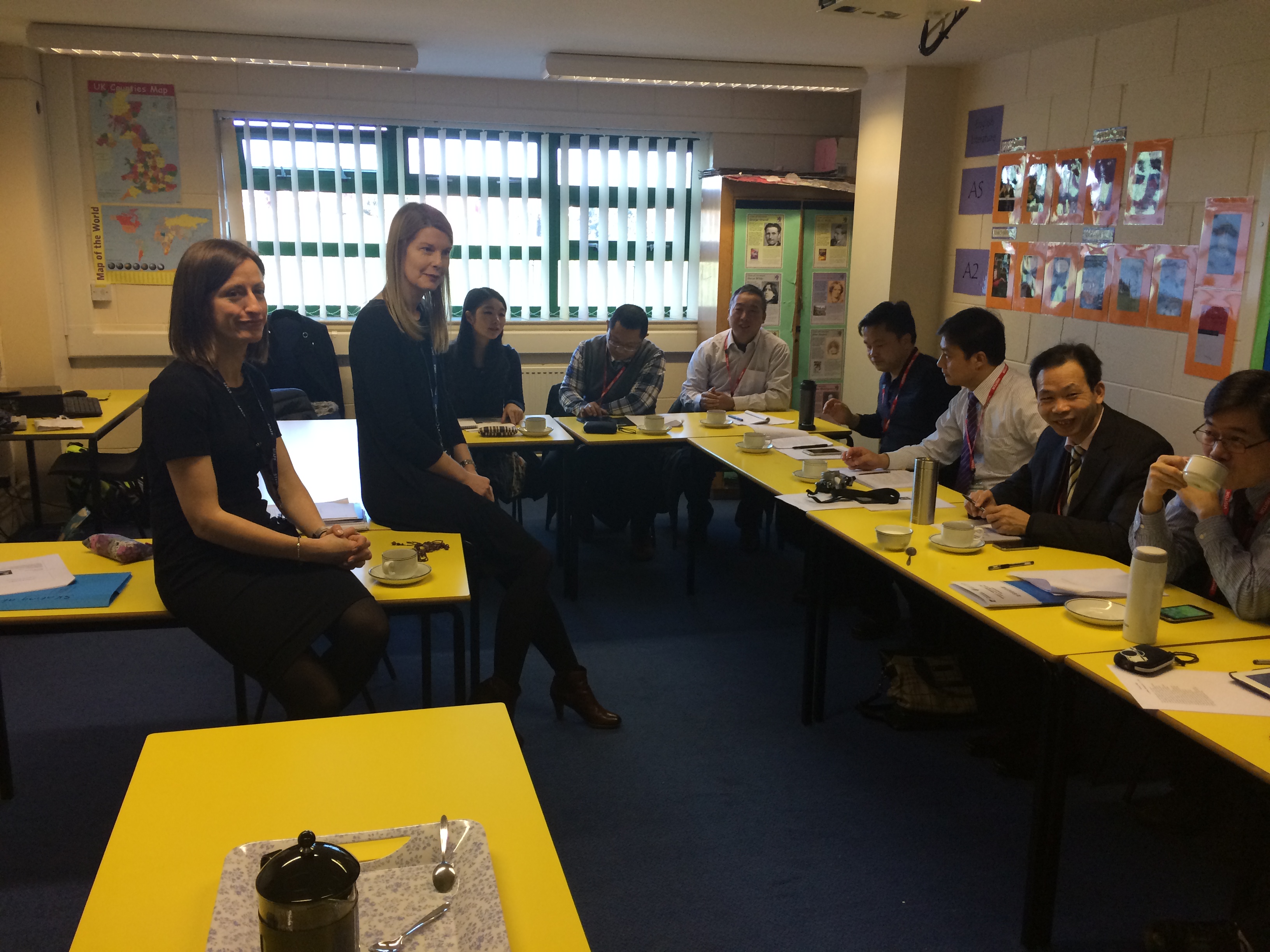
China 2This last week we hosted 10 Chinese Principals, two interpreters and a facilitator from the National College and University of Nottingham, International team. I would be interested what other SLT, Heads and teachers make of these sorts of visits. All the way from Guangdong they arrived to spend about a month in England with some tourism and much work together on leadership and five days of school visits in three schools, one of these was two days with us.

For me one week into headship is was a genuine privilege to show the school and work out how to do that. In fact as a deputy I always considered it an honour if anyone wanted to come and visit the school, we have had other overseas visitors but of course other school teams, business people and even the odd MP and councillor. I have also enjoyed my own visits to other schools – after all we are all lifelong learners.

They started with a tour of school accompanied by 6 ‘little people’ from school council in pairs with a translator and 3 adults – I was so proud of our Y8 children who returned dutifully with the visitors spot on time, and with big smiles – they had enjoyed showing off their school and answering questions. They then observed lessons in a number of subjects, frankly ones that can manage 10 visitors plus two interpreters plus two of our own mandarin speaker helpers ( who were wonderful – aren’t children jus so able to rise to the occasion). I also arranged it to be Maths and Science (my prejudice, we do these quite well) and also creative areas: Design and Art and also Modern Languages (which we also do well!) Colleagues were very accommodating in fact so were their departments, it’s not really easy being observed as visitors come around, chat with you and children and take a few photos in fact a lot of photos.

China 3I also arranged a few talks which I thought might be interesting: about our school and my (new) vision and after some basic stats, some narrative about the best parts and some guesses at the worst (only done a week remember), some budgets some accountability stuff some stuff about what I think is important and some which bother me about the future. They also heard about our pastoral work and how we teach English and the role of a middle leader. We finished with discussion between them and 5 staff. There really wasn’t enough time to answer their questions perhaps some were too hard – ‘how do you show an ethos to your pupils and help them learn to appreciate it?’

China 8They brought gifts,, some beautiful China cups through to beautiful handmade pennants and even pupils work. Which meant more photos. This showed me how much they honoured the occasion and I was particularly struck when I introduced a colleague who had taught for 30 years they applauded very warmly in their acknowledgment for him as a teacher, clearly for them he had to be recognised and very well honoured, such respect I think even he was surprised. I think we can learn something there.

So what did we find out:

  • They get moved around their provinces, they don’t have a jobs market. They work hard and they retire at 55 on full pay, pay isn’t so high as here by a long way ( equivalent to about £20,000 -£25,000) but they are held in great respect in their communities and by others. They have very high status and are  well looked after’ they told me, for example if they find themselves ill. Teachers teach about half a week timetable the rest dedicated to marking and prep. Wow!
  • One Principal commented on the support given to the children in school. He liked our work with SEND, EAL pupils and with any behavioural issues one to one. He felt support was much stronger. He said our management was ‘stronger and straightforward’ particularly with ‘ naughty’ children. This surprised me but there appear to be pressures on them ( much like here) from all sorts of angles too. Their worries matched some of ours, they were worried about inclusion, they were worried about some patterns in behaviour and wondered if we had rare occasion when parents were not so supportive!
  • They quizzed me long about accountability, who was I responsible to? Well my list was long ( children/parents/staff/governors Diocese, Ofsted) until essentially it rests with governors. I think they felt we were under more pressure than them overall , but I don’t know.
  • Their schools are often very large , our visitor’s schools ranged from 3000 to about 5000 pupils. One with 4000 pupils, said our professionalism was different and he found the atmosphere in our lessons alive and exciting. In essence they enjoyed those creative and practical activities we use in learning. They seemed to note we were looking out to engage all pupils in our lesson. He said the teaching was more practical and inspirational ” something we want to learn from” I was blown away by that.
  • Some still kept asking me how we got our ethos into our pupils and had an extra hour with our assistant head who is head of RE ( worth a reminder we are an RC school ). They are Principals and they have ‘heads’ under them responsible for progress etc too but I couldn’t tell if Pastoral work was part of the core job.
  • They also asked us about multicultural aspects which was of interest, in a City like Nottingham lots of our pupils don’t have English as first language of course, I think that made them think a little.
  • I mentioned staff recruitment, they wondered how we hung onto out best teachers. In China one principal told me if he had 10 vacancies in his school there would likely be 800+ people to choose from.

Overall they came to learn, and to honour us, which they definitely managed to do. I wished we had had more time for me to find out more but it was their visit to us. From our point of view we have all learned things too, but three things really struck me:

1 Their honour, respect, and pride in their profession and in us too, shown to me and my colleagues as well as our children. It was almost tangible and amazing to watch their faces hanging on almost our every word.

2 Whatever I read about Chinese schools and Maths and standards and PISA number 1 etc they aren’t too different in the questions they ask and the systems they develop and the ambitions they all have, their worries and their commitments

3 In the end their interest was in the children in their care, their learning progress and even their morals – so despite the cultural journey and 5000 miles, not that too much different

Here is a link to the story in our  Local Newspaper  Nottingham Post.

and here is a link to a totally different experience an amazing visit to Ningbo and Chinese education

Some Questions

Q1 What do you see as the value of such visits to your school?

Q2 Can we learn from other cultures as much as we can learn from schools in the UK, be they similar or with better outcomes?

Q3 Do we have more in common than what we have as differences?

For those in a Church school

Acts 28:7   There was an estate nearby that belonged to Publius, the chief official of the island. He welcomed us to his home and showed us generous hospitality for three days.

Hebrews 13:2   Do not forget to show hospitality to strangers, for by so doing some people have shown hospitality to angels without knowing it.

3 John 1:8   We ought therefore to show hospitality to such people so that we may work together for the truth.

Proverbs 29:18    Where there is no vision, the people perish: but whoever keeps the law, will be happy.

Thursday period 3 – UCAS deadline, hey maybe that can change.

ucasThere are some jobs you miss in the profession when you move on (up, sideways or down) and some you don’t. I am ambivalent about missing UCAS references. At my school sixth form tutors do references and do them spot on (pretty well) – another of the sixth form pastoral staff polish, check etc. Over the last 20 years I have done all that, and I enjoyed writing and most of all talking with students about opportunities perhaps not enjoy because some , most are very stressed. I saw it as a bit of a privilige really. So it was always good to add a calm voice, a sensible view but of course not magic wand. It was also a collosal amount of work for me, for tutors and for students and a massive pressure pot for staff, students and parents. I daresay HE might feel the same.

Even with a new job as Head I still did three references and forms this this last week. One of those was a “Please Sir do you remember me, I left years ago but… can you lastminutereference help me out?”. Soft that I am I did – just by hours!

Meanwhile in another Universe I am trying hard with subject leaders and SLT to work out how we manage the ‘dogs dinner’of a curriculum for post 16. Whilst some changes feel bad (please don’t ask I’m a Chemist, we change to new specs, new assessment and no practical assessment but at least the spec for teaching in 6 months is now approved (as of December!). Some specs change so AS does not count in the end but at least remains coteachable, some do not. I think the staff are pretty clear on their own subjects but across the piste? Mmmmm. And what they need to consider, not much chance of that because you politician types forget we aren’t sitting around waiting your latest ideas we are…teaching a generation now.

I have always been bothered to explain to our Y13 that it is harder than Y12 because it brings the sharp end of A Level , stretch and challenge, and final exam chances, but also all those big decisions. I am also convinced those decisions can motivate and if we help students get them right they can achieve well, and aim higher than they might imagine. That has been my experience. Despite this here is my suggestion after 20 years as a Head of Sixth form

  1. Get HE to decide IF they want AS or not ( I do remember working with UCAS predictions before the advent of AS – I can tell readers it isn’t easy!) Maybe it doesn’t matter, we seem to be in a new world already whereby AAA or better gets you into most subjects in most places and probably AAB – and it feels like the rest get that same offer even if we know they may not make it. [don’t scream at me about medicine and English and RG Uni and Oxbridge I know I know]. However have these decisions clear. For example
  2. Give staff time to plan their schemes understand assessment and nuances, get to exam board training and have time to talk with each other to decide the very best way to carve up teaching and learning. Consult with SLT to design a great curriculum offer. Four subjects or three; extended essays or not, and please can someone look at the funding.
  3. Halt the AS/A2 changes now. Get the new specs for all subjects sorted for start in 2016 not 2015. Do AS and let it count or do AS and don’t let it count. Teachers and learners just need the rules ( and preferably the same rules to each subject!)
  4. Be radical on HE entry. I’ve never much favoured PQA ( post qualification application) because of the motivation I mentioned above but try this:
Which way?

Which way?

  • Minimise Y12 AS exams – one paper ( maybe or maybe not cwk) whether it counts or not. Preferably forget them as we are abandoning predictions see below! [Save some time]
  • Start the end of Y13 exams ( A2 +/-AS) at start of May. This drags exams on longer in school but staff can stagger their work in terms of revising with Y11 or 12 or 13 and all that means for schools and Colleges.
  • It takes 6/7 weeks to results, replan this. These exams start May not mid June so can have results early July?
  • After Y13 complete exams maybe mid June schools and colleges start all the practicalities of UCAS PQA. We help look at courses, we have Open days visits and we prepare statements and references BUT no predictions because the button is pressed mid July when we all know results. We will do background stuff but not forcing so many decisions so early on
  • E. do not know need to think “how many will get the grade?” “how reliable is the referee?” The form arrives with grades.
  • Over the summer there can be interviews and if not the time for HE colleagues just start term a bit later for first year UG.

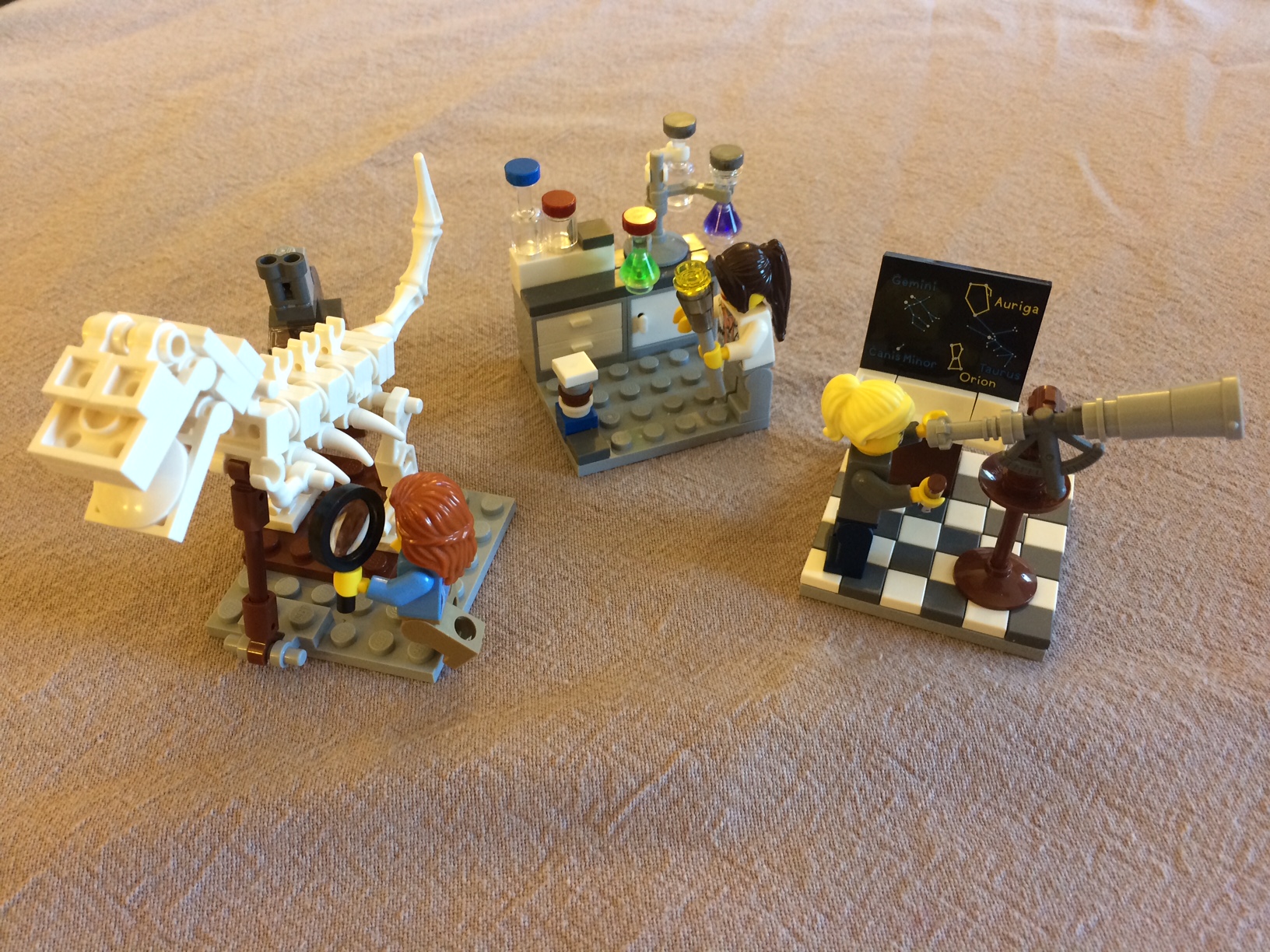
    Maybe a Chemist maybe an astronomer, maybe a paeleantolo Oh hang it. I can't even spell that

    Maybe a Chemist maybe an astronomer, maybe a paeleantolo Oh hang it. I can’t even spell that

I am sure readers will say what about medics etc BUT we all see many students who think they should apply for X or Y but their results make us think they may make it and it’s hard to say a definite you won’t for some. WE also see an element of immaturity at application time, uncertain ideas which is fair enough and we make some decide by October 15th. In this new world, this all evaporates, no student will apply for the AAA course with predicted AAA ( which might mean AAA or AAB ( stats show most grades predictions are correct within a grade or two overall I recall) now they apply with AAA. I can imagine many courses offering a range of grades and I suspect they could, surely they know students with AAA down to BBC do or do not cope with this course etc

As for motivation I do like my students to do some visits in Y12 – well they can do, they can visit and be inspired to aspire, they can be helped to understand the basics by which I mean to get into this course you need….. these grades/this interest/these skills. Entry profiles take on a new highly significant meaning, this is what you aim for. It might benefit a subject like mine Chemistry maybe others where Y12 still feels like we are teaching much basic stuff and some of the more interesting work comes late Autumn and Spring of Y13. As we now stand it’s a bit late for a student who having had few ideas of what to study but been badgered by home and school to decide, and now finds a real interest in Chemistry. In fact we might all have that responsibility in our Y13 work to trumpet our subjects even more with this is what HE looks like and being nearer than a present applicant we might get those choices right and get a few more young people into the right courses and see better progress in HE.

There I’ve said it


You might like to read other posts from my timetable of teaching – each is set out from lesson in the school week, before or after school or at the weekends, appropriate to the time of day. I have also started a  class lists or “set lists” which was to answer the questions: “why be a teacher?”or “why have other responsibilities in a school?” Shortly I am starting a new area about progress from one role or experience in teaching to another with hints and tips about successfully moving on in the job and your teaching career.

Some Questions:

Q1 Might this make an optimistic call over what feels like an unwealdy future for post16?

Q2 HE Univeristy Providers what do you think?

Q3 SChools and FE Colleges what do you think?

Q4 Most important, Students what do you think?


Links
UCAS

Complete University Guide

Push University Guide

Telegraph article on choosing HE

Guardian choosing University – ideas from students

Unistats support data for making informed choices

The Student room advice


For those in a Church school:

Psalm 25:5 Guide me in your truth and teach me, for you are God my Saviour, and my hope is in you all day long.

Psalm 139:10  even there your hand will guide me, your right hand will hold me fast.

Romans 12:6   We have different gifts, according to the grace given to each of us.

2 Timothy 1:6 For this reason I remind you to fan into flame the gift of God, which is in you

1 Peter 4:10 Each of you should use whatever gift you have received to serve others, as faithful stewards of God’s grace in its various forms.

YBA Governor Guest post by @5N_Afzal

I have always had an interest in education, working, in the past, as a primary school teacher and a university lecturer. I stopped working when I became a mother. When my youngest was old enough not to need me constantly, I decided to go back to part time work and started working as an adult literacy tutor.  Unfortunately, due to budget cuts, the class was cancelled. At around the same time there was a vacancy for a parent governor at my daughter’s school. I decided to stand for the post. Having been a governor for over six years now, this post gives me chance to reflect on “YBA Governor”.

What is involved in becoming a governor?

Governors are the largest volunteer force in the country. So, if you are thinking of becoming a governor, you’ll be in good company, but will need to know what’s involved.

Governance is not something which can be accomplished easily over a few evenings in the year. It may be a voluntary post but it does demand time and hard work. Governance needs people who are passionate about education and about giving the young in our schools the best possible chance in life. Yes, there are two or three meetings per term but a great deal of preparation needs to be done before you can attend the meeting. There will be papers to read and digest and monitoring visits to be carried out. As a governor you should also make an effort to attend school functions so that students, parents and staff get to know the person under the governor hat. Juggling hats is another thing you need to learn how to do. If you are a parent of a child at the school or are a staff member then you need to learn when to wear which hat! You will be expected to attend induction training upon joining and then other courses as and when needed. These will help you understand you statutory duties and how to perform them. The one thing which we must remember is that governance is not something to be treated as a badge of honour! You have to work hard at it and be totally committed to the role.

What do people get out of the role?

Despite of all of the above, people do become governors, with many of us serving more than one school and many stay on for more than one term. So, there must be a reason (or several!) why people give up their time to join governing bodies.

Becoming a governor is one way of establishing/maintaining links with the education sector. Do remember, however, that you do not need to be an educator in order to be an effective governor. As a governor you would be serving a community. It could be your local community which is served by your school or it could be the community of an area which is not your place of work or residence. You would also be serving the school community, the students, parents and staff of the school. As a governor you bring a fresh perspective to the table.  Schools can, sometimes, become set in their ways. Governors come from different backgrounds and bring different skill sets. These can be beneficial in helping the school look at new ideas. Sometimes in order to “think outside the box” to solve a problem it may help that you yourself live “outside the box”. Part of the job is to monitor the performance of the school and ensure that the students are being afforded the best opportunities to realise their potential. Governors can use their day job skills to make sure the school is performing well. They can provide an objective and unbiased viewpoint. A governor’s role is to help set the vision and the strategic direction of the school. This means that you allow the Headteacher and the school’s senior leadership team to concentrate on the day to day running, the operational side of things. Both bodies, working together, can then help make the school into the type the school the students and staff deserve and parents desire. Like in other sectors, good governance will lead to good strategic decision making which will result in good overall performance. Lastly, becoming a governor is a very good way of gaining new skills. You will learn how to read and analyse data, how up set up long term goals, how to interview and appoint to senior positions including that of the head, how to appraise staff and how to conduct meetings and lead a team and get the best out of each member of the team. The skills you bring from your day job will be very useful in the boardroom and similarly you will find that the skills you develop by becoming a member of a board will be useful to you outside the boardroom.

So, although becoming a governor is a huge time commitment and requires dedication, it is a very worthwhile thing to do. The question, for me, isn’t why be a governor. The question is why not be a governor!


Naureen Khalid

Governor at a secondary convertor academy

11 YBA Head Guest post by @jillberry102

Head2In the early years of my teaching career, I couldn’t really see the appeal of headship (or, in fact, senior leadership) at all. I was aware of the pressure, the responsibility, the stress – dare I say, the unpopularity? The heads I knew (and I worked for 10 heads over a period of 20 years in five different schools) usually didn’t teach. They seemed to have relatively little contact with the students which, to me, was the joy of teaching – though it was often, of course, the root cause of the challenges too. These heads were, in the main, relatively remote figures (one was nicknamed ‘the hologram head’ by the pupils). I remember watching the head and senior team dancing at a school Christmas party in my first school, and consciously thinking, “I’ll never be a head. I really can’t dance like that.”

In retrospect, in the arrogance of youth I think I was over-critical (teachers tend to be – have you noticed?) and lacking in real understanding and empathy. Over the years, as I moved to be second in department, Head of Department and then Head of Sixth Form, I worked more closely with the heads and senior teams and developed my awareness and appreciation of their role and how different individuals fulfilled it. I learnt from some good examples and, arguably, I learnt even more from negative examples. And over the years I honed my vision of the kind of head I would be, were I to get that far.

As a deputy head I was fortunate in the two heads I worked with, from whom I learnt a good deal. It was when I was a deputy that I realised I really did want to be a head myself one day. I recognised that when the head was out of school and I was ‘it’, increasingly I enjoyed the challenge and the opportunities that gave me. The experience of being a deputy also helped me to decide what type of school I would like to lead. After five years as a deputy I moved to lead such a school, and over my ten years there I have to say I had a ball.

Yes, it is challenging, the responsibilities are considerable, and you have difficult days and demanding situations to try to find a way through. You are a public figure and if you get it wrong (and, inevitably, there will be times when you will) it will be obvious and you will attract criticism – sometimes unfair criticism which you have to be able to cope with. You have to develop your resilience, keep your integrity intact and remember what your core values are, even when (especially when) they may be sorely tested. You will work harder than you have ever done, and you can never complain about that – who would sympathise? You have to be aware that the job is potentially overwhelming and all-consuming and you have to protect yourself (and your family, friends, and your life beyond headship – you really do need one) from that. For me, ten years as a head felt like enough, much as I had enjoyed it. I paced myself throughout the ten years and was ready, at the end of that time, for a different challenge and a different balance in my life. I have no regrets about making that decision, and know that my life is richer for all headship taught me.

It was definitely the best job I did over a 30 year career, and I recommend it to anyone who has the temperament and the drive to do it. The skills will develop (you “build the bridge as you walk on it”, as Robert Quinn says) – you can prepare in a number of ways, practically and psychologically, but ultimately you learn the job by doing the job. And you never stop learning – you have never, in my experience ‘cracked it’. This is part of its appeal.

I do think it’s important that heads (and senior leaders too) consciously try to be positive role models to teachers who are at an earlier stage of their career if they are to encourage and inspire future generations of school leaders. We need to be mindful of how others see us, and if we never smile, seem constantly stressed, unapproachable and remote, we risk giving the impression that headship only has a downside. I wouldn’t want to mislead anyone into thinking the role is easy, but I have to say I found great joy in it, and considerable satisfaction when you DID resolve an issue and move forward. As head you have the capacity to make a difference on a scale unlike anything you’ve ever known before. You have the opportunity to improve teaching and learning, to protect the well-being of the staff (teaching and support) and to lift others. You can support parents and make a positive difference to some of their lives, too.

You won’t win them all, and you have to accept that. It isn’t a popularity contest and, although you need a degree of strength and self-confidence, you have to be able to leave your ego aside and recognise it is about the school and all in it (past, present and future) and not about you. Towards the end of your time, in particular, you have to think about the legacy you are leaving and what you can do to ensure the school continues to grow in strength and success after you have moved on. We are all, in fact, caretakers of the vision for a finite period and there should be a degree of humility that comes with that. We should do all in our power to try to leave the school a better place than we found it, and that involves supporting, encouraging and inspiring leaders of the future.

That’s a privilege.

head1Jill Berry

Former head

Here are some additional posts to add to this one on why be a head

  1. The Head’s briefcase.

December 2014