Better Teacher or just different, has time moved on and moved the job for the better?
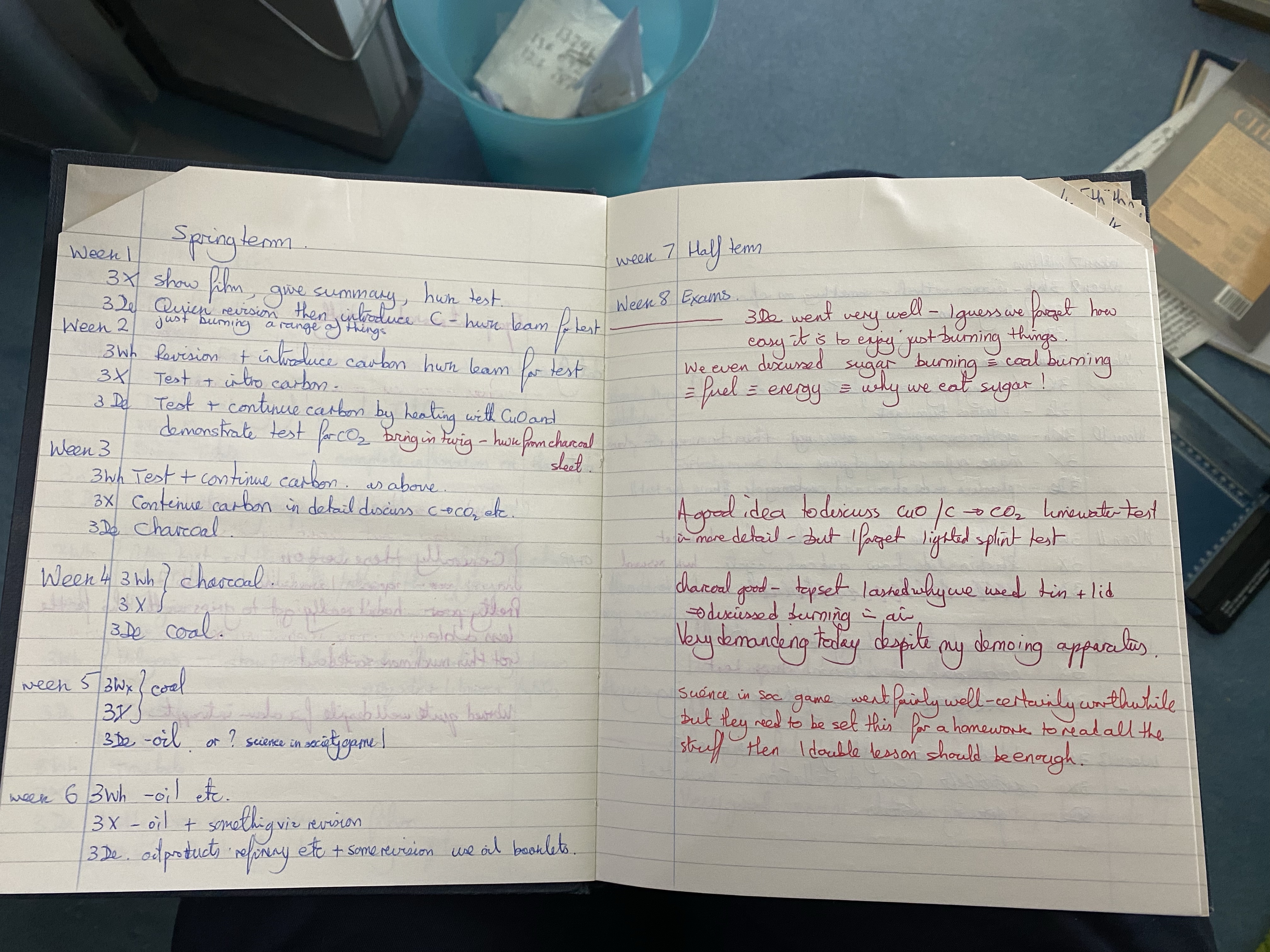
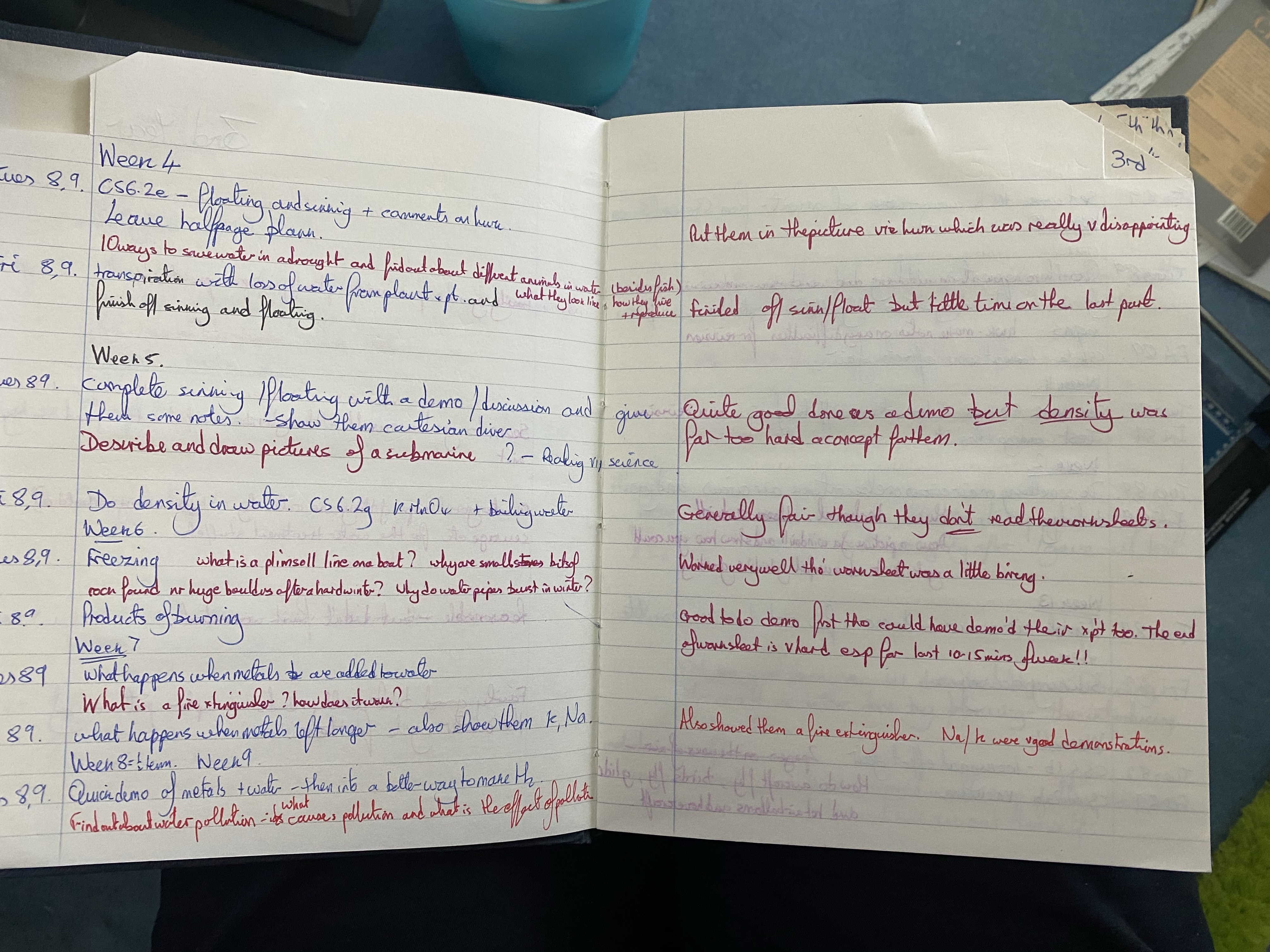
I’ve retired, 26,000 lessons and finished, and now it’s time to clear stuff away and reflect upon the world I absolutely loved.

Back in the 80’s and early 90’s there was no internet for schools as such, no video and not much in the way of copying ( Banda at best, OHP if a wealthy school). I loved teaching Chemistry but every lesson I wanted to bring my subject to life. How great it was to teach Chemistry – all curriculum subjects have advantages and disadvantages – ask PE staff how everyone tells them their job is great on sunny summer days as they set off in shorts to teach tennis, though no one says bad luck in the cold, grey, windy, frosty or grotty days of autumn when the gym is used for mocks. I had chemicals and unusual apparatus for practicals and demonstrations. There were tales of poisons, explosions, medicines, materials, from soaps to alcohol from amazing discoveries to problems to solve. We could do magic with solids and liquids; use that special fume cupboard or make a small firework, talk gunpowder and make amazing colours or metals from powders or tiny beautiful crystals grow – in fact much of that were part of the reasons I chose the subject to study for 4 years in the first place. And yet I constantly searched out better proper Chemical stories. I felt these would help young people understand more be more curious, apply their skills more and be hooked into doing my subject after Year 9, or after Year 11 or after Year 13…..and many did. I practised, rehearsed, fiddled to get things to work – though sadly didn’t have a book I only found after 35 years of searching Professor Fowles Lecture Demonstrations in Chemistry …oh oh oh if only!


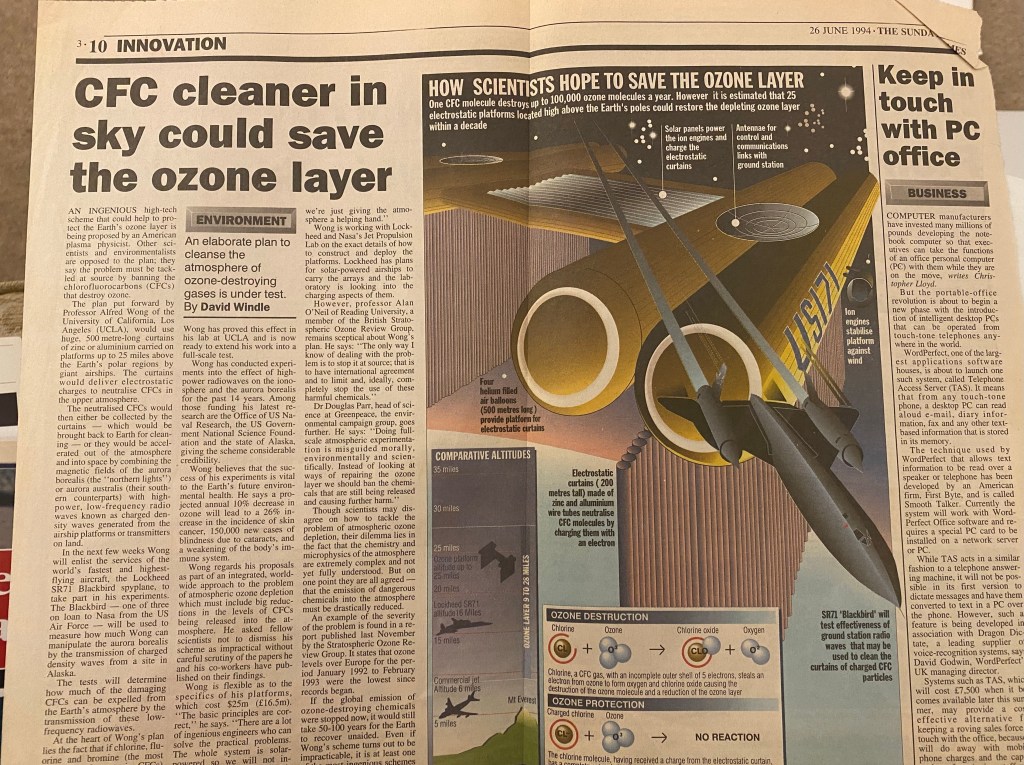
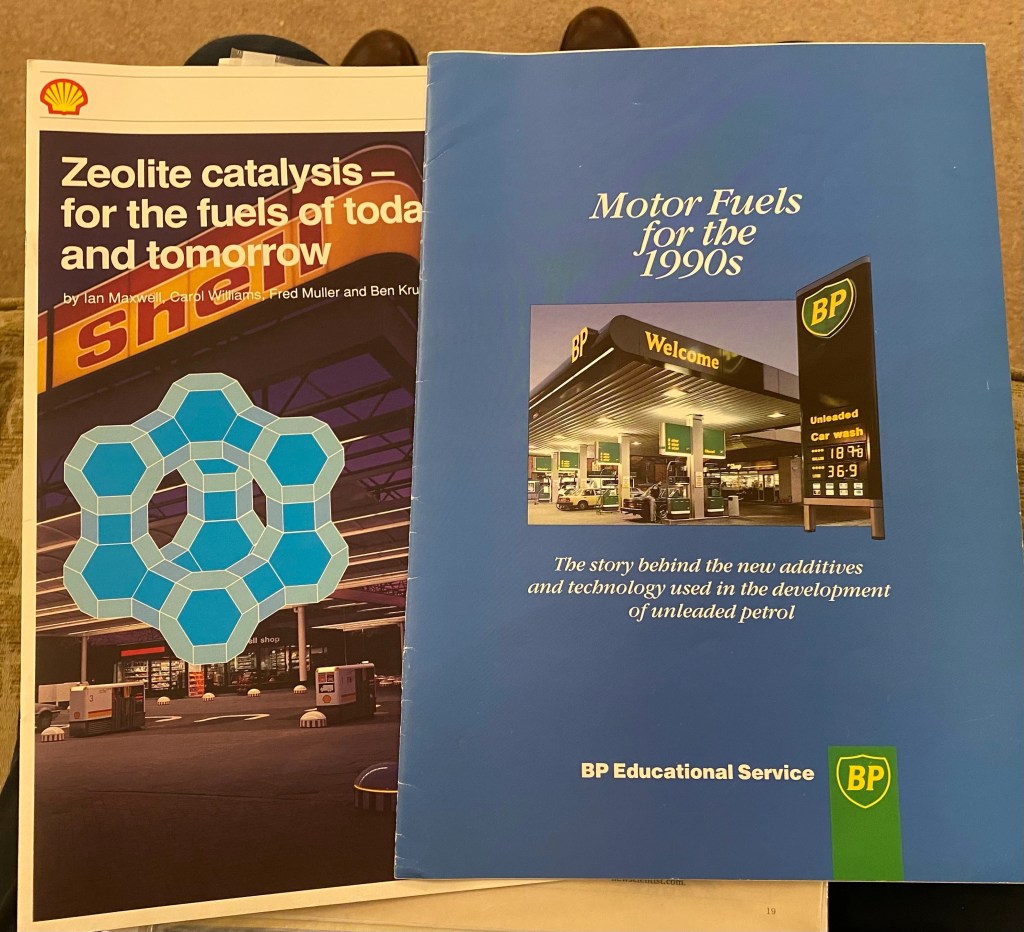
No internet, but also no videos, occasional TV but do you recall 80’s TV Science? “Tomorrow’s world” and well that’s about it. So everywhere I looked it was picking up of booklets and leaflets it was magasine or newspaper articles. If it was a conference then grab as much of their publicity literature…and frankly there were not many conferences but there were ASE events and RSC events as a starter. The joy of my Mother sending me an article carefully cut out of her newspaper folded in a letter “ you might like this?” . How right she was.
Then craft this information into my lesson, there wasn’t much chance to photocopy, maybe the odd expensive OHP but we could read it or share it or at the least I could do what all teachers do well – tell a good story. There were even the odd articles with scientific errors for my pupils to discuss and correct. BUT I had to think – will this help , will it bring more knowledge, better understanding, or maybe we can use this to see if they can apply their knowledge….maybe even might make them do some of that ubiquitous ‘wider reading’ – I sense these questions helped create good lessons, or turn good lessons into great lessons.

Preparing lessons, delivering lessons, getting feedback from marking was and still is, the bread and butter of the basics of good teaching. It was in the 80’s and 90’s and maybe still so. Marking was (and definitely still is) a slog – but the teacher learns what pupils don’t know and what confuses them and what is well understood – but frankly I got that from marking about the first 5 books the other 25 or so just reinforced that. The interesting and challenging part for me was as a new teacher through until I retired as a head still teaching in 2017, the favourite was preparing. I spent hours preparing – as my ITT tutor used to say every good one hour long lesson needs an hour prep and reflection and an hour of marking. In time it doesn’t need an hour my bare bones of a 4th year CSE Lesson in 1981 would be used every time I got to that part of the syllabus for 36 years – but I promise almost every year be it O Level, GCSE, double triple or single that lesson got better and the advent of the internet promised even better and it delivered a richness and an opportunity to really bring to life to really help understand and apply knowledge and motivate.
Of course this “even better” improvement accelerated as resources improved. The internet brought modelling brought video, 3D images AND access to frontier research therefore does even better than my mission to “Bring Chemistry to life” back in the 80’s and 90’s. In 2017 I was challenging students to look at what Nobel prizewinners wrote and said…..not just the favourites of Chemistry specifications Rutherford and Haber BUT those of modern greats, less well known names but incredible discoveries and my endless challenge -please be the first Nob el winner that I taught! (PS that Nobel site is my favourite!)
This is epitomised for me in a favourite KS4 lesson- the group 1 metals – Lithium, Sodium Potassium. Haz-cards always limited the lump when adding that piece of sodium to water. A sluggish looking soft, cuttable, grey metal, slimily covered in its oil from the bottle. ONLY USE the size of a grain of rice but ask any Chemistry teacher and they’ve been heckled in this lesson “Oh Sir, add a bigger lump” or “show us Rubidium or Caesium” ….and so in 2023 we can. There is a great video of adding Caesium to water and an even better one of the quite wrongful addition of sodium to a lake a huge quantity around 9 tonnes off the back of a lorry, into a lake back in 1947. You can even see Professor Poliakoff explain and show many many elements. Now if that doesn’t bring Chemistry to life! Though I suspect that the live view of a little lump of grey metal fizzing around carrying an orange flame or purple one before exploding – these are what will be remembered. Sorry Biology colleagues who dipped out and showed a video it’s just not not not the same. BUT then further Lithium we know is in all those batteries and my old tutor – take a look at his discovery and comments – the Nobel winner John B Goodenough. So the joy for me as I annotated my lesson notes and next year might be even more excited to deliver those new ideas even just for a few minutes of a lesson.
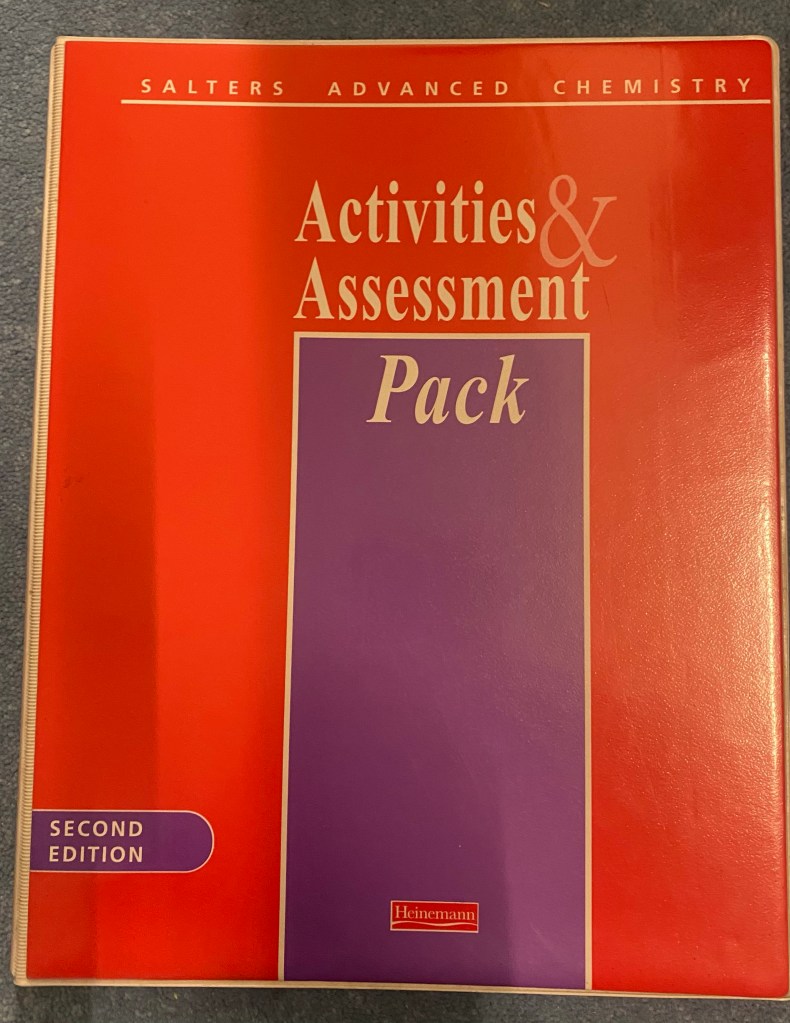
I have to add then that the advent of the inspirational Salters’ Chemistry A level in 1992 written as a set of Chemical stories and each written by three groups : academics, industrialists and school teachers – managed by a great team at York University Holman, Pilling Burton et al and resourced to innovate. Had I ever made a polymer that conducted electricity? Had I modified a penicillin? Did I know the difference between a winter and summer petrol blend? Along with the opportunity to meet industrialists, academics and many great teachers from all around the world. I could go on but this project transformed my teaching, our school and many, many students prospects.

In any long career do those lessons we teach year in year out do they improve? Did they find a rich vein of interest and motivate young people?…….or were we driven by assessment results and “just learn this”. Yesterday we did page 45 so today we do page 46 “Yawn”. I really think not. Don’t get me wrong assessment, exam results were important to me and my students. After all qualifications open doors [ and Chemistry opens some significant doors like medicine and scientific research] and opportunities. By contrast with rumours that Primary SAT assessment has led to many pupils who really don’t love reading, I hope my careful planning opened doors to the wonderful world of scientific discovery.

So were we old teachers better or just different….I’m beyond appraisal, you be the judge. Comment below.






 After all the UCAS stuff or maybe the searching for the right apprenticeship or even the world of employment, your grades opens that door of opportunity. Still some advice for you: if you are continuing in education you’ll need to carry on with more and improved versions of what got you to here. Ok you might be and should be excited about University or leaving home or having autonomy and independence. More thoughts about the opportunities of student life than the messy sinks of student accommodation. However you are off to study and so whatever you’ve been doing you’ll need to step it up. More reading, more organisation, more independent learning, more work and probably less feedback and support than school or college gave you. The latter matters, you need to be more of your own judge and set your own standards. I recall a good friend excitedly awaiting her first feedback on an essay which got a β+ ( that’s beta plus) and she asked her supervisor what that meant. ‘Well’ he said ‘its not as good as an α- ( alpha minus) but better than a β.’ She asked what she needed to do to improve he took the essay back and said ‘maybe work on the English’. For a young lady with full marks in AS modules for English she realised at that point she had to work out what learning meant in this new world. Vital to success here is to
  read, read, read and to discuss the standard of work with peers and those on your course but a bit older. Heck and start now, yes now, find a book or two on that dreaded reading list and….start…reading. My own two daughters got fed up with me saying “you are reading for a degree in” Of course the new world offers wonderful opportunities but the priority one is your learning because….that gets you to the next step….( but lets leave that for now).
 Think, research and write a few advantages and disadvantages down and talk, talk talk. Talk to peers, talk to family, talk to teachers or talk with local careers officers (
  Take a bit of time but clearing can be mad and busy and you will feel pressurised. Remember you are off to study for 3 or 4 years, you will be doing lots and lots of ( *subject X*) and there is a considerable financial investment from you – it might be a loan but it’s still a loan. You wouldnt buy an expensive new mobile on a quick whim and this is life enhancing, life changing or possibly totally wrong! Remember all the research you did for choice one, do it now to ensure you are making a good decision. If you are doing all this to please great Aunt Ethel and who keeps ringing to ask what you are doing next, just stop, tell her and yourself it’s not that easy and simple. Never make the decision to appease family or friends – they won’t be sat there as you wonder why on earth you ended up studying sand castle building at the University of Little Piddle in the Paddocks. If necessary visit the place, that is visit if you have not already visited, yes that’s right, even if you have a holiday job get some time off, surely you won’t sign up for big expense, big commitment and your next 3 years without doing that, surely! That’s like signing for a big mortgage on a house without seeing the property because you are staying home to watch “Cash in the attic”.

 You might even think about doing one subject again in the summer without attending school or College, you know study in my room stuff …don’t. It’s also a very competitive market in some areas, so if your offer was AAA for a competitive course and you got BBB, don’t assume that if you redo the offer of AAA still stands. You need to talk to the HEI urgently. Reflect on the situation this last two years on your learning, be honest, talk with staff and family and make a plan.
 Planned gap years with mixtures of work experience, earning money, travel, new experiences can all be helpful, though as above they need thinking about. Don’t deceive yourself, the gap year isn’t one big holiday, its work, new people, new experiences, lots of challenge. I really like gap years, I think students get more out of their University experience and are a little wiser, I worked as a lab technician in a gap year so I am a fan. However don’t think you can ring a local company and get a job for six months, or ring the Raleigh Trust and build a health centre in Mongolia…you can but it needs planning and often fund-raising too – it’s all about commitment. If you are serious then find people ( from your school or college or community) who have done the very project. And if you are serious, well you had started some plans anyway, hadn’t you?. Lastly think if you are deciding to reapply, just how that works if you are abroad, not just interviews but that research, how will it be done?



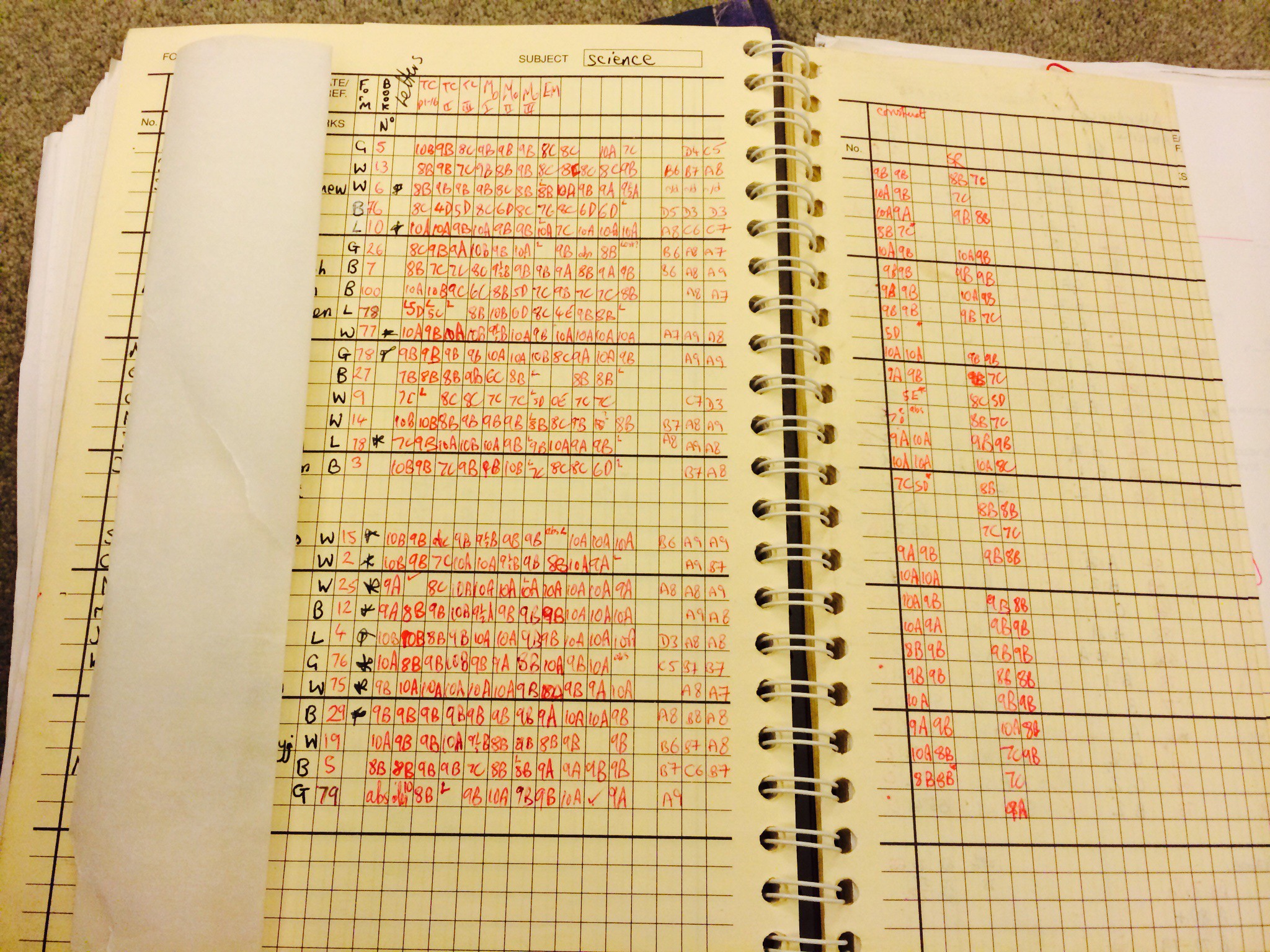



 of the school systems such as those for behaviour management and discipline those for reporting problems and those for reporting achievements and awards and merits etc. You know when reports are due and mocks or tests come along BUT by now you should be able to work a system which suits you and your subject. No whole school assessment system can suit every subject, so where do you need to branch out? When do you need your own mock, when do you need an extra assessment. You also know the rhythm of school and seasons, for example it’s not a good idea to leave a really difficult 3 week topic to mid winter; you know when illness is at its worst and can sort out work around it. You have a sense of the need for a really really outstanding lesson to lift spirits ( yours and theirs). You know what to do about ill pupils, about those who get stuck ( see me after the lesson? – not really going to work is it; what does work?). So within this class this group add a layer of your own systems to supplement the schools



 s and spend a bit of time searching for new ones. Talk more with staff and pick their brains. think and plan ahead, ask around, join twitter or the TES forums and networks, get to a teachmeet. Hey throw that weight around and move from good to great!
 as of what worked too. Do that in department meetings, tutor team meetings and mostly just in conversations in the staffroom. build some self confidence as a teacher professional in helping others. I had a great RQT colleague a few years ago and she showed me some new resources and ideas….yep teach the old dogs in school, new tricks.
 All of us feel there were things we just about got away with, what were yours and what do you need to do about them? Did you not prepare for a parents evening but fortunately they were mainly pleasant. Did you let a pupil off but they didn’t bring any extra issues? Did the head ask for something and you forgot but heck so did she? What things must you do better?

 Mr John Dexter blogs about school